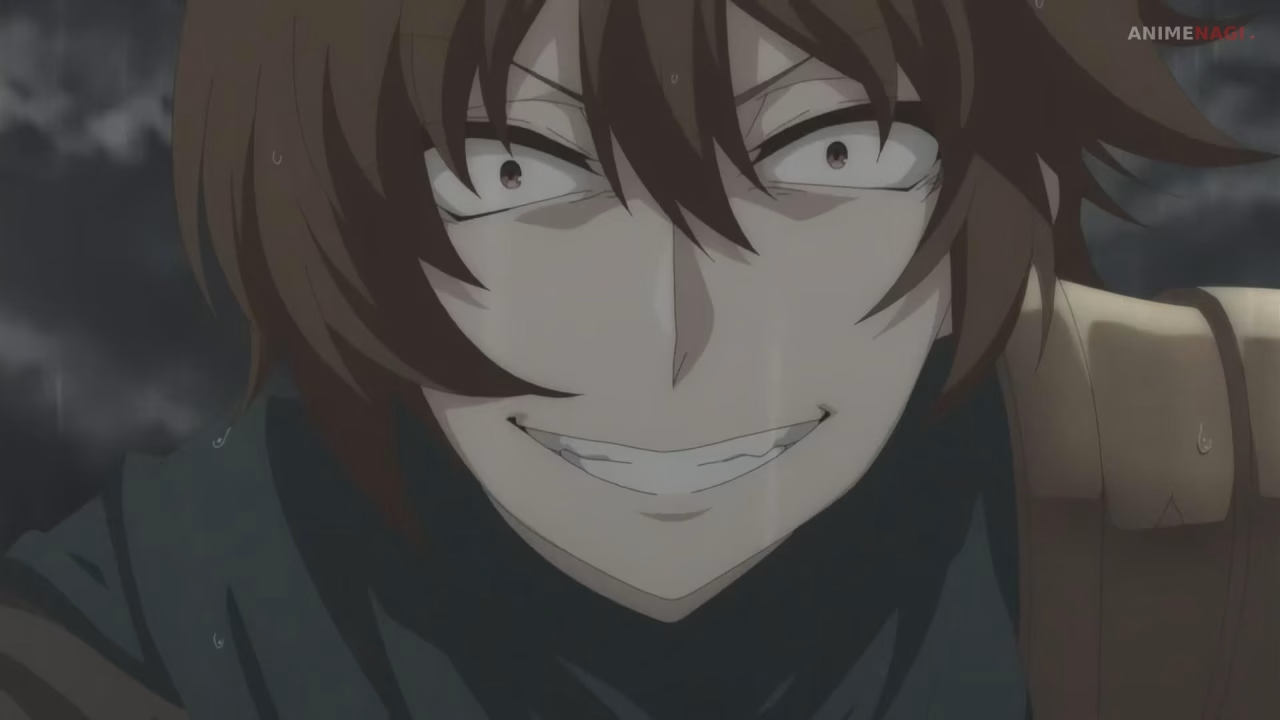
The ending of Redo of Healer leaves many viewers with mixed reactions, not because it lacks resolution, but because of what that resolution represents. Unlike traditional revenge stories that build toward closure or redemption, Keyaru’s journey concludes on a far more unsettling note. By the end of the anime’s first season, he has successfully dismantled key figures within the Jioral Kingdom, rewritten the identities of his enemies, and positioned himself for further domination.
At a surface level, the ending answers the central question driving the series: can Keyaru get revenge on those who abused him? The answer is clearly yes. However, what makes the ending compelling is not just what he achieves, but what he becomes in the process. The final episodes shift the focus from revenge as justice to revenge as transformation, forcing viewers to question whether Keyaru has truly won or simply become another version of the cruelty he once suffered.
What Happens at the End of Redo of Healer
The anime concludes during the aftermath of the Branica arc, where Keyaru’s revenge reaches one of its most impactful phases. By this point, he has already taken down Flare, the first princess, by rewriting her identity into Freia. This act sets the precedent for how he handles his enemies, choosing psychological domination over simple execution.
The final stretch of the story revolves around Princess Norn and the destruction of Branica. Norn, unlike Flare, is portrayed as a highly intelligent and strategic opponent. Her decision to massacre the city marks a turning point because it creates new victims rather than simply referencing past abuse.
Keyaru’s response is swift and calculated. He defeats Hawkeye, eliminates Norn’s protection, and ultimately captures her. Instead of killing her, he subjects her to the same fate as Flare, rewriting her identity into Ellen, a girl who believes she is his younger sister.
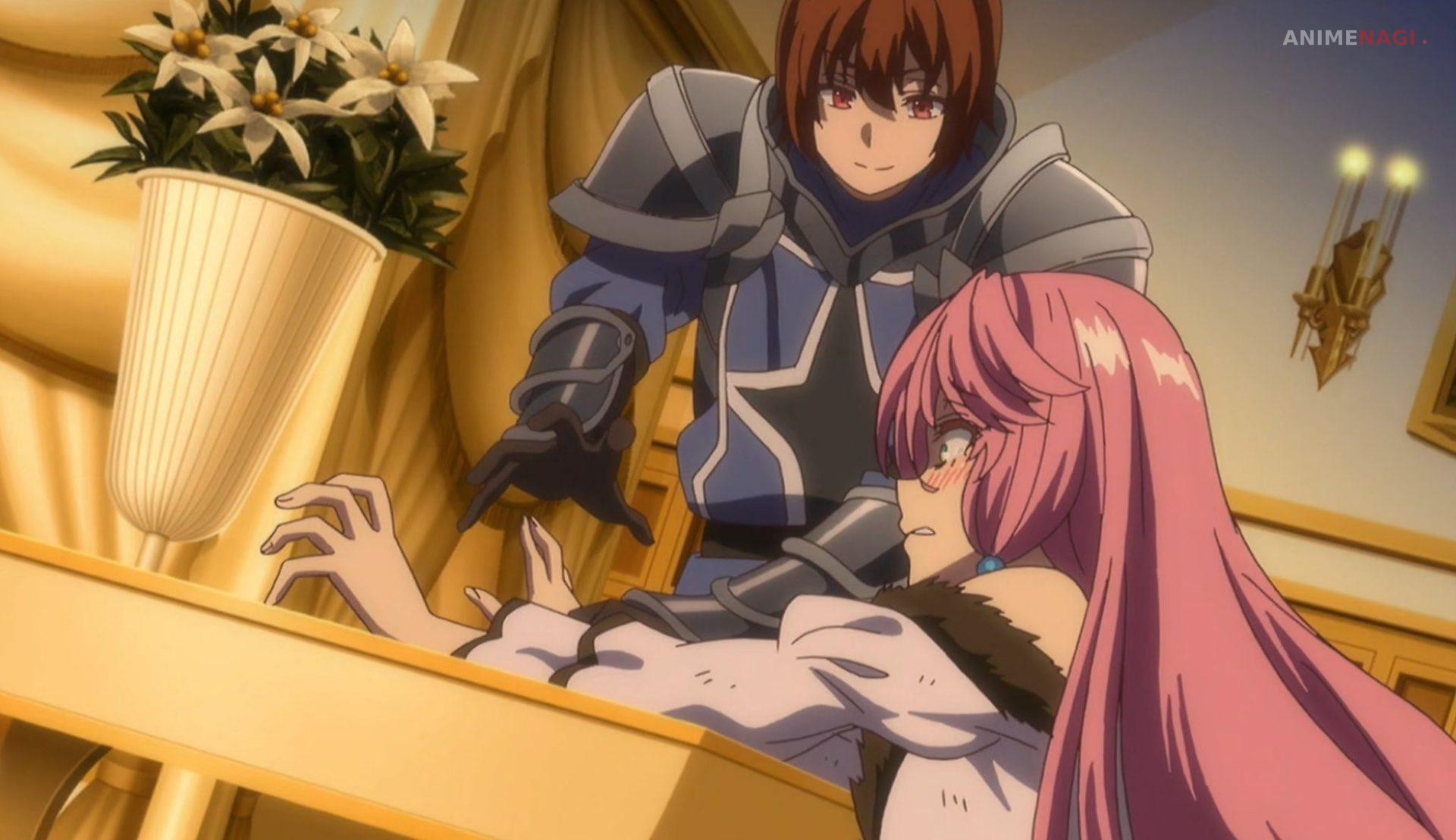
By the end, Keyaru has effectively removed multiple pillars of Jioral’s leadership. Blade is gone, Norn no longer exists as herself, and Flare has been transformed. This leaves the kingdom weakened and unstable, setting the stage for future conflict beyond the anime’s ending.
What Keyaru Achieves by the Finale
Keyaru’s achievements by the end of the anime can be divided into personal revenge, strategic dominance, and systemic disruption. Each of these layers plays a crucial role in understanding the full meaning of the ending.
On a personal level, he successfully punishes the individuals who directly abused him in his previous life. This includes not only Flare and Blade but also others who treated him as a tool rather than a human being. His revenge is not symbolic but deeply personal, rooted in the trauma he endured.
Strategically, Keyaru proves that he is no longer the powerless healer from the original timeline. He uses knowledge from his past life, combined with his healing abilities, to outmaneuver stronger opponents. His victory over figures like Hawkeye demonstrates that he has evolved into a formidable force.
On a broader scale, his actions destabilize the Jioral Kingdom. By removing key leaders and exposing their corruption, he weakens the system that enabled his suffering. This aspect of his plan suggests that his revenge is not limited to individuals but extends to the entire structure of power.
Why Keyaru Doesn’t Kill His Enemies
One of the most controversial aspects of the ending is Keyaru’s decision to rewrite his enemies’ identities instead of killing them. At first glance, this may seem unnecessarily cruel, but it reflects his philosophy of revenge.
Keyaru believes that death is too easy an escape. In his view, those who hurt him should not simply disappear. They should live on, stripped of everything they once valued, including their memories, status, and sense of self.
This is why Flare becomes Freia and Norn becomes Ellen. By turning them into different people, Keyaru removes their agency and reshapes their existence according to his will. It is not just punishment but complete control.
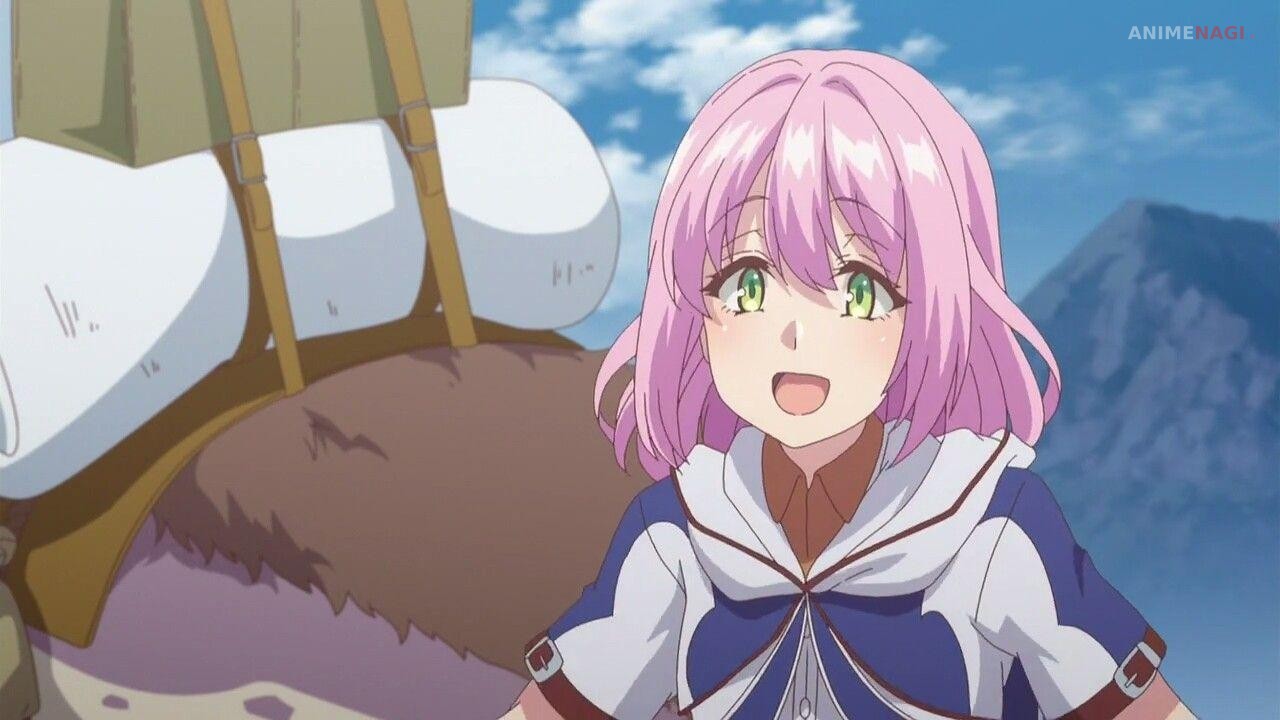
This approach also reinforces a key theme of the series. Power in Redo of Healer is not just about strength but about the ability to define reality for others. Keyaru’s healing ability becomes a tool for rewriting identity itself, making his revenge far more invasive than physical violence.
The Meaning Behind the Branica Arc Ending
The Branica arc is essential for understanding the ending because it shifts the narrative from past revenge to present consequences. Up until this point, Keyaru’s actions are largely justified by what happened to him in the original timeline.
However, Norn’s massacre introduces a new dimension. Her actions create fresh suffering that has nothing to do with Keyaru’s past. This forces him to act not just as a victim seeking revenge but as someone responding to ongoing injustice.
The death of Karman, a character who treated Keyaru fairly, further intensifies this shift. It personalizes the conflict in a new way, showing that the world itself remains cruel even after Keyaru changes his fate.
By defeating Norn and stopping her campaign, Keyaru positions himself as both a destroyer and a protector. This dual role complicates his character, making it difficult to categorize him as purely villain or anti-hero.
Has Keyaru Become the Villain?
This is the central question that defines the ending.
On one hand, Keyaru’s actions are understandable. He was subjected to extreme abuse, manipulation, and dehumanization. His desire for revenge is rooted in genuine suffering, and many of his targets are undeniably cruel individuals.
On the other hand, the methods he uses are deeply disturbing. Rewriting someone’s identity removes their autonomy entirely. It is a form of control that mirrors the way he was treated in his original life.
The ending does not provide a clear answer, and that ambiguity is intentional. Instead of presenting Keyaru as a hero or villain, the story shows him as a product of his environment. His actions are both a response to injustice and a continuation of it.
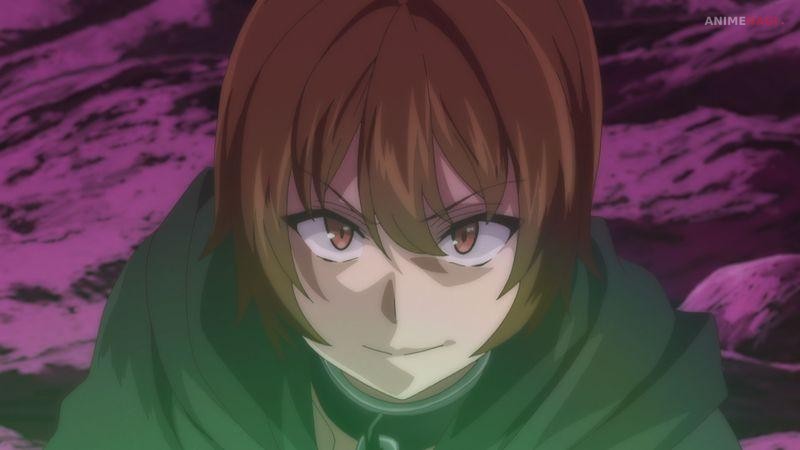
This complexity is what makes the ending so divisive. Some viewers see it as a justified revenge story, while others view it as a descent into moral corruption.
The State of the Jioral Kingdom at the End
By the conclusion of the anime, the Jioral Kingdom is in a state of instability.
With Flare effectively gone, Norn transformed, and key military figures eliminated, the kingdom loses its leadership structure. This creates a power vacuum that weakens its ability to function effectively.
From a strategic perspective, this is a major victory for Keyaru. His actions ensure that the system responsible for his suffering cannot continue in the same way. However, it also raises questions about what comes next.
The anime does not fully explore the consequences of this instability. A weakened kingdom could lead to internal conflict, external threats, or further chaos. This open-ended outcome reinforces the idea that Keyaru’s journey is far from over.
What the Ending Suggests About Keyaru’s Future
The ending of Redo of Healer is not a conclusion but a checkpoint.
Keyaru has achieved significant milestones in his revenge plan, but there are still unresolved elements. Characters like Bullet and the king remain active, and the broader political terrain is still unstable.
This suggests that Keyaru’s journey will continue beyond what the anime shows. His ultimate goal appears to be the complete dismantling of the system that created his suffering.
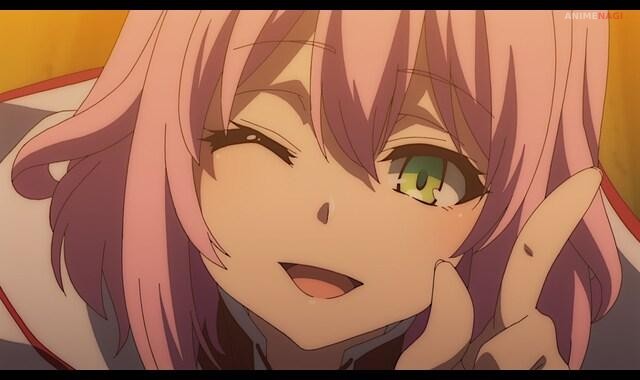
At the same time, his growing power and control raise concerns about what he might become. If he continues down this path, he risks turning into the very type of ruler he once despised.
The ending leaves this possibility open, inviting viewers to question whether his story will end in victory or self-destruction.
The Deeper Meaning of the Ending
At its core, the ending of Redo of Healer is not about revenge itself but about the cost of revenge.
Keyaru achieves everything he set out to do, yet there is no sense of peace or closure. Instead, his victories feel calculated and cold, lacking the emotional release typically associated with revenge narratives.
This suggests that revenge, while satisfying in the moment, does not resolve deeper trauma. Keyaru’s actions may eliminate his enemies, but they do not undo what he experienced.
The series also explores the idea of power as a corrupting force. As Keyaru gains more control, he becomes more willing to manipulate others. His transformation highlights how easily victims can become perpetrators when given the means.
Ultimately, the ending challenges viewers to think about justice, morality, and the consequences of absolute power. It refuses to provide easy answers, instead presenting a world where right and wrong are constantly blurred.
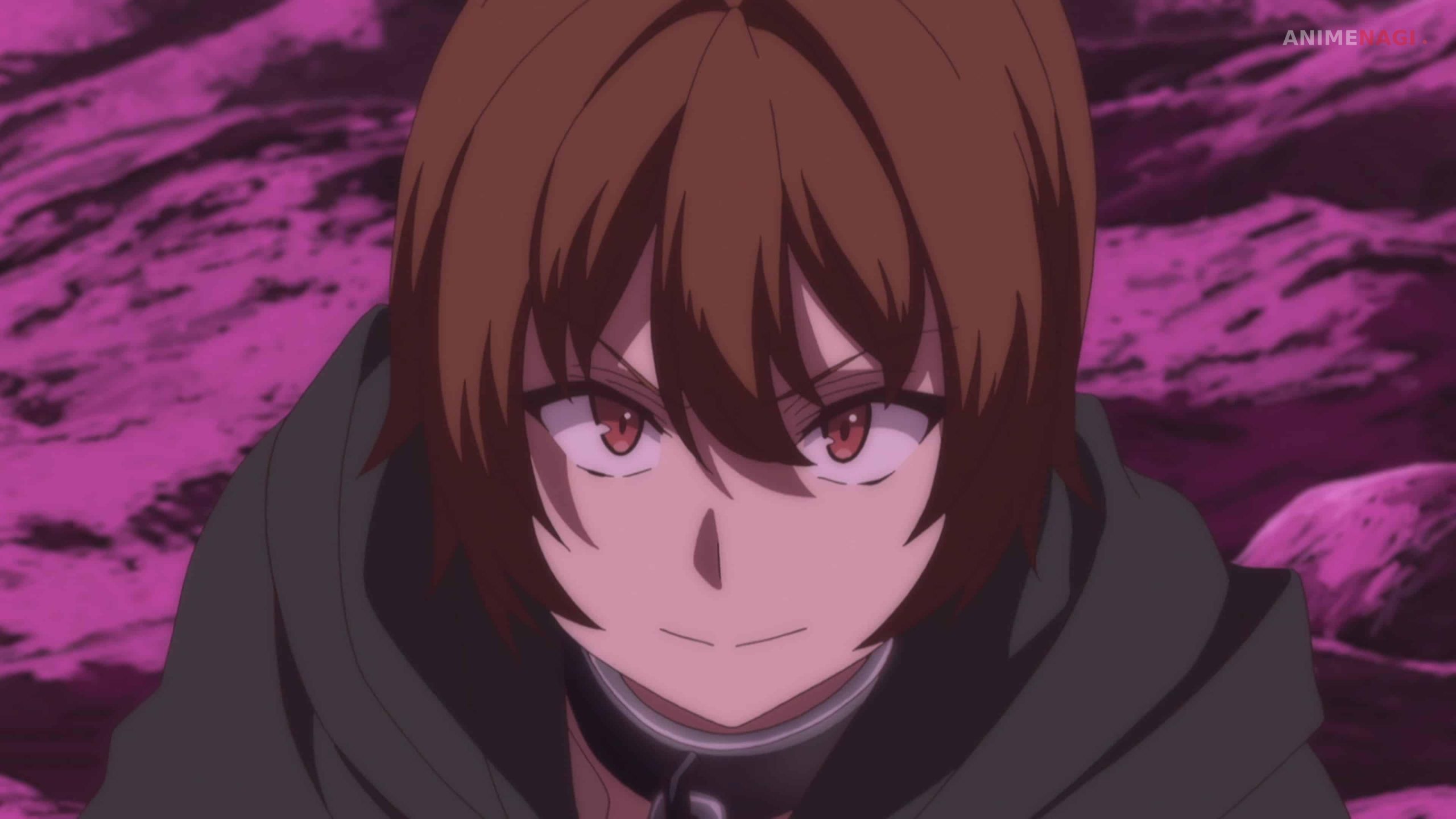
The ending of Redo of Healer delivers a clear outcome in terms of plot but leaves its meaning open to interpretation. Keyaru succeeds in taking revenge, dismantling key figures within the Jioral Kingdom, and establishing himself as a dominant force.
However, his victory comes at a cost. His methods raise serious ethical questions, and his transformation suggests that he may have lost part of himself along the way. Rather than offering closure, the ending emphasizes the ongoing nature of his journey.
What makes the ending stand out is its refusal to conform to traditional storytelling expectations. Instead of redemption or justice, it presents a character who achieves his goals but remains trapped in the cycle of control and revenge.
That ambiguity is precisely why the ending continues to spark debate. It forces viewers to confront an uncomfortable question: if revenge changes you this much, is it ever truly worth it?