The creators of Star Wars: Visions Presents – The Ninth Jedi have revealed how Japanese samurai philosophy influenced their portrayal of Jedi, including the series’ unusual lightsabers and its emphasis on compassion over raw power. In an interview with Anime News Network, supervising director Kenji Kamiyama, series director Shunsuke Tada, and producer Hitoshi Itō discussed the ideas behind the anime’s world and characters.
Kamiyama explained that his vision of heroism centers on selflessness rather than simply defeating enemies. He said, “real justice brings fairness and equality,” describing Kara’s decision to pursue redemption and kindness instead of taking the quickest path to victory.
Released on Disney+ and Hulu on August 5, 2026, The Ninth Jedi continues Kara’s story in an eight-episode limited series produced by Lucasfilm and Production I.G. According to Lucasfilm’s official series page, Kara and her fellow Jedi-in-training embark on a journey to save her father.
WHY THE NINTH JEDI USES COLOR-CHANGING LIGHTSABERS
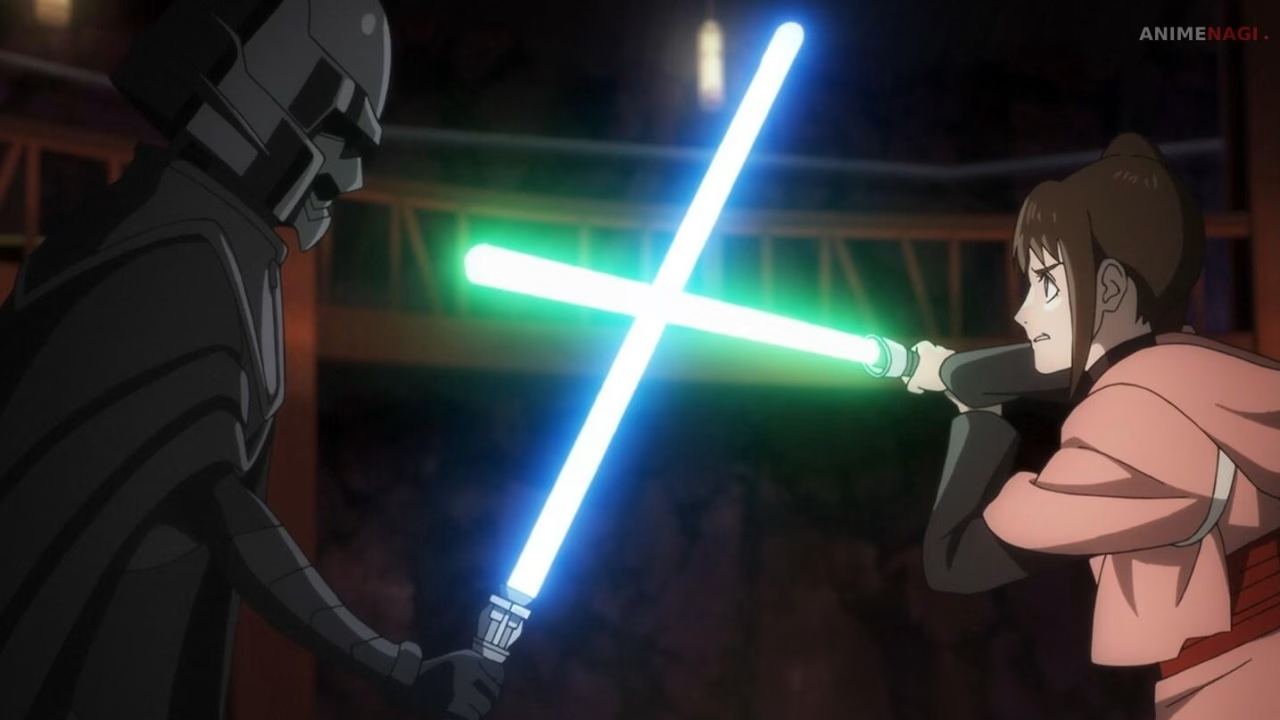
Kamiyama revealed that the signature lightsaber concept came from a childhood misunderstanding. When he first watched Star Wars, he believed a blade’s color changed according to its user’s connection to the Force. That mistaken assumption eventually became a creative foundation for the anime.
In this series, the lightsabers crafted by Zhima change color based on the wielder’s connection to the Force and emotional state. Tada explained that the colors were not assigned rigid personality meanings. Instead, their variations help distinguish each character’s individuality.
The silver blade represents the “State of Nothingness,” a state of intense concentration inspired by Japanese martial arts. However, the directors view it as a stage in a Jedi’s development rather than the ultimate form of enlightenment.
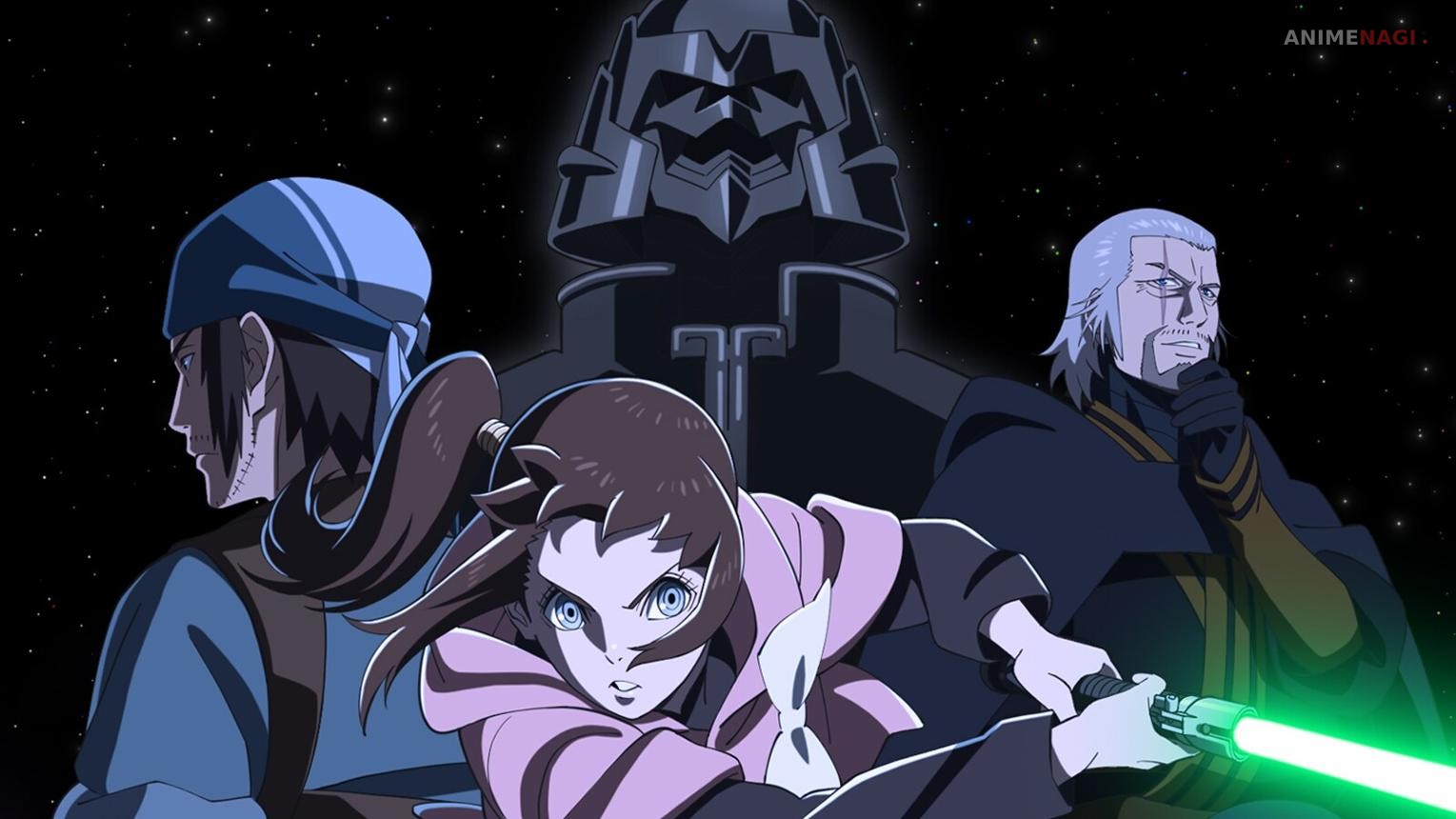
Kamiyama drew inspiration from the samurai spirit, particularly the belief that strength should be used to protect people in vulnerable positions. He contrasted this ideal with a mindset in which power comes before compassion.
The director clarified that the series was not intended to reject previous Jedi interpretations. Instead, he wanted to expand the philosophy by showing how kindness and self-sacrifice can strengthen the ideals associated with the Jedi Order.
Producer Itō added that the story explores different interpretations of justice. Kara and her adversary Nawaam both seek peace, but their methods differ. Nawaam believes overwhelming power can achieve his goal, while Kara chooses compassion even when it makes her journey more difficult.
The creators also discussed the challenge of developing nine Jedi within an eight-episode series. Itō explained that the team concentrated on Kara, Zhima, and Nawaam to avoid spreading the story too thinly, leaving some supporting characters with less screen time.
Both Itō and Tada expressed interest in continuing the story if an opportunity arises. Tada compared the current series to the beginning of a larger saga, noting that there are more character stories and parts of the galaxy worth exploring.
For now, no sequel announcement has been confirmed. The creators’ comments nevertheless suggest that The Ninth Jedi was designed around ideas that could extend beyond its first limited series.