Anime has delivered some of the most unforgettable plot twists in entertainment history, but betrayal remains one of the most powerful storytelling tools the medium has ever used. A great betrayal does more than shock viewers for a few episodes. It permanently changes the emotional direction of the story, reshapes characters, and often pushes protagonists toward their darkest moments. The best anime betrayals are not just surprising. They become the foundation for everything that follows afterward.
Some betrayals destroy friendships, while others completely alter the balance of power in a fictional world. In many cases, fans still discuss these moments years later because of how emotionally devastating they were. Series like Attack on Titan, Naruto Shippuden, and Bleach became even bigger cultural phenomena after their major betrayal reveals stunned audiences worldwide.
This list focuses on anime betrayals that truly changed the direction of the story instead of serving as temporary twists. These moments permanently altered character arcs, worldbuilding, and audience expectations in ways that still define their respective franchises today.
Griffith Sacrificing the Band of the Hawk Changed Berserk Forever
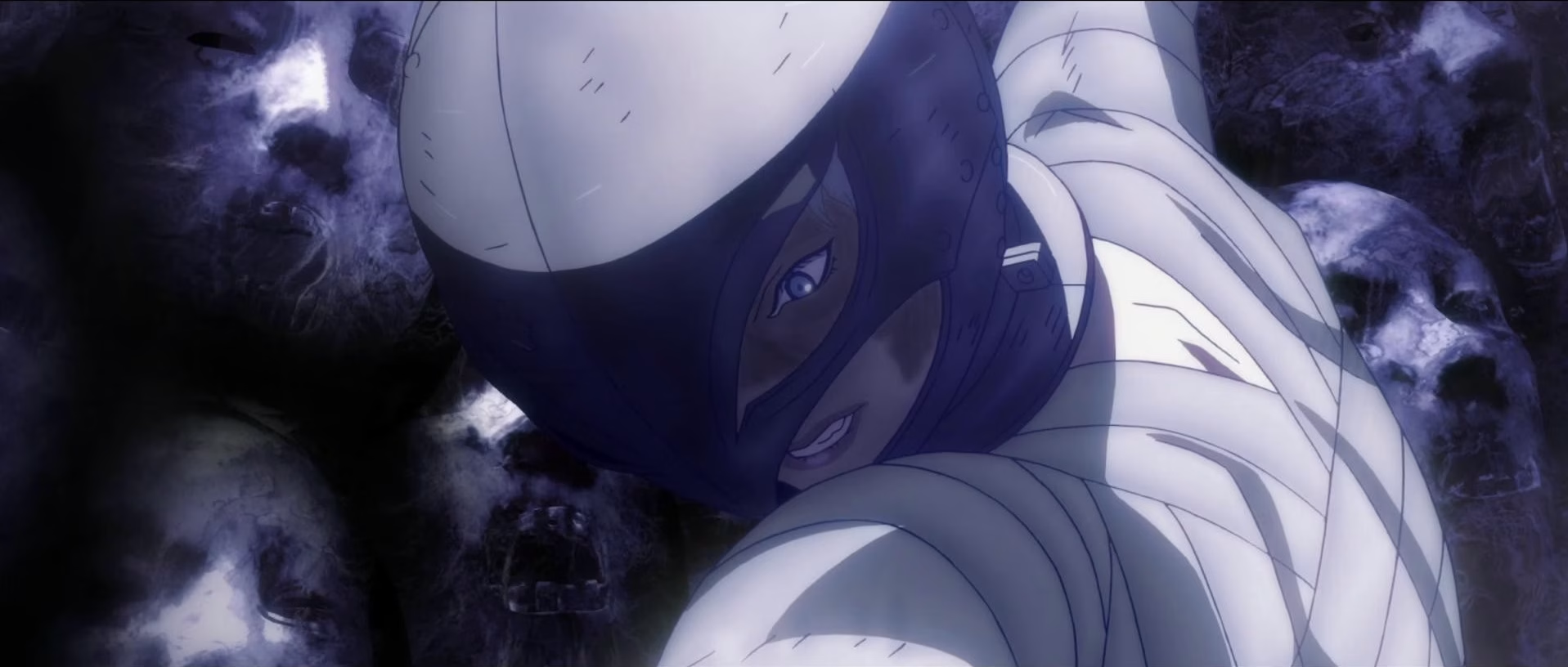
Few betrayals in anime history are as horrifying as Griffith sacrificing the Band of the Hawk during the Eclipse in Berserk. Before this moment, Griffith was portrayed as a charismatic leader who inspired loyalty and ambition. His dream of ruling a kingdom united countless warriors under his command, especially Guts and Casca, who trusted him more than anyone else.
That trust was shattered in the most brutal way imaginable. Griffith willingly sacrificed his closest allies to the God Hand in exchange for ultimate power and rebirth as Femto. The Eclipse sequence completely transformed Berserk from a dark fantasy adventure into one of anime and manga’s bleakest revenge stories. Guts’ journey afterward became defined entirely by trauma, rage, and survival.
What makes this betrayal so devastating is how personal it feels. Griffith did not betray strangers or enemies. He betrayed people who dedicated their lives to helping him achieve his dream. The emotional damage from that decision permanently altered every major character connected to the Band of the Hawk.
The betrayal also changed how fans viewed anime villains. Griffith was not evil from the start in a traditional sense. His downfall came through obsession, ambition, and desperation, which made his actions even more disturbing. Many anime antagonists afterward borrowed elements from Griffith’s morally corrupted leadership.
Reiner and Bertholdt’s Reveal Rewrote Attack on Titan
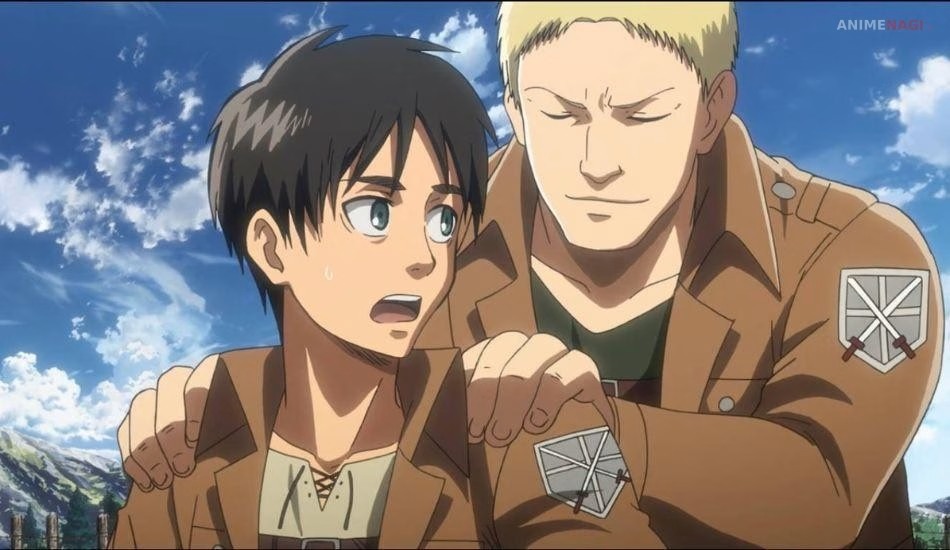
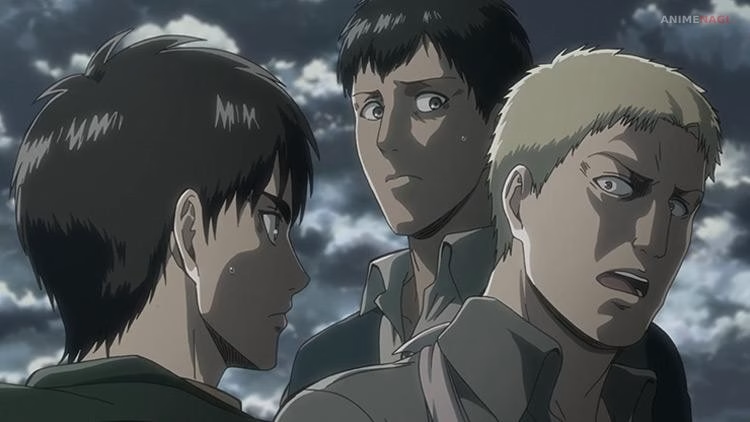
The reveal that Reiner Braun and Bertholdt Hoover were actually the Armored Titan and Colossal Titan remains one of anime’s most iconic twists. Attack on Titan spent multiple seasons building strong friendships among the Scout Regiment members, which made the betrayal feel deeply personal for both the characters and viewers.
What made the scene especially memorable was how casually the reveal happened. Reiner calmly confessed his identity during an ordinary conversation, creating one of the most surreal moments in anime history. Fans expected a dramatic buildup, but the sudden confession made the betrayal hit even harder.
This twist completely changed the direction of Attack on Titan. Until that point, the Titans mostly felt like mysterious monsters threatening humanity’s survival. After the reveal, the story evolved into a far more complex political and ideological conflict involving war, nationalism, propaganda, and cycles of hatred.
Eren Yeager’s character also changed dramatically because of this betrayal. His worldview shifted from simple revenge against Titans to understanding the complicated human conflicts behind the violence. The emotional impact of Reiner and Bertholdt betraying their comrades pushed the story into morally gray territory, where no side felt entirely innocent anymore.
The betrayal’s long-term importance cannot be overstated because it transformed Attack on Titan from a survival horror anime into a geopolitical tragedy. Many fans consider this reveal the exact point where the series elevated itself into one of modern anime’s most ambitious stories.
Sosuke Aizen’s Betrayal Turned Bleach Upside Down
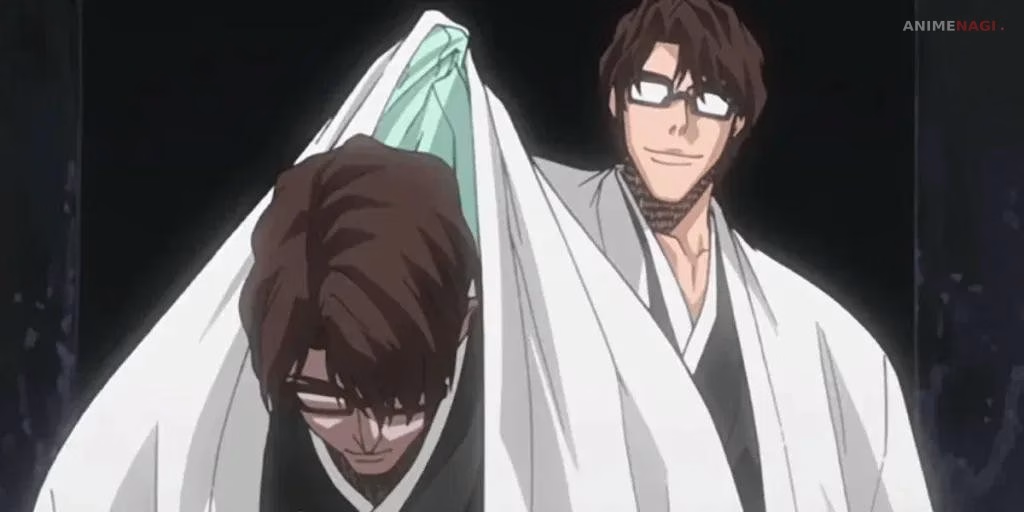
For much of early Bleach, Sosuke Aizen appeared to be a calm, intelligent, and respected captain within the Soul Society. His apparent murder initially looked like a mystery that would unite the heroes against a hidden enemy. Instead, Aizen himself turned out to be the mastermind manipulating nearly everything from the shadows.
The reveal worked brilliantly because Bleach intentionally framed Aizen as trustworthy and harmless. Fans saw him as a mentor figure rather than a future main villain. When he exposed his true nature and casually defeated multiple powerful captains, the entire power structure of the series changed overnight.
Aizen’s betrayal also shifted Bleach into a much larger-scale conflict. Before his reveal, the story focused mainly on rescuing Rukia and steering Soul Society politics. Afterward, the anime evolved into a battle against one of shonen anime’s most intelligent and manipulative antagonists.
What made Aizen especially dangerous was his patience. He had secretly manipulated events for decades while maintaining a flawless public image. His betrayal introduced a constant feeling of paranoia into Bleach because fans no longer knew who could truly be trusted.
The twist elevated Aizen into one of anime’s most legendary villains. Even today, many fans still rank his reveal among the greatest anime plot twists ever created because of how thoroughly it redefined the story’s stakes and direction.
Itachi Uchiha’s Truth Changed Naruto Completely
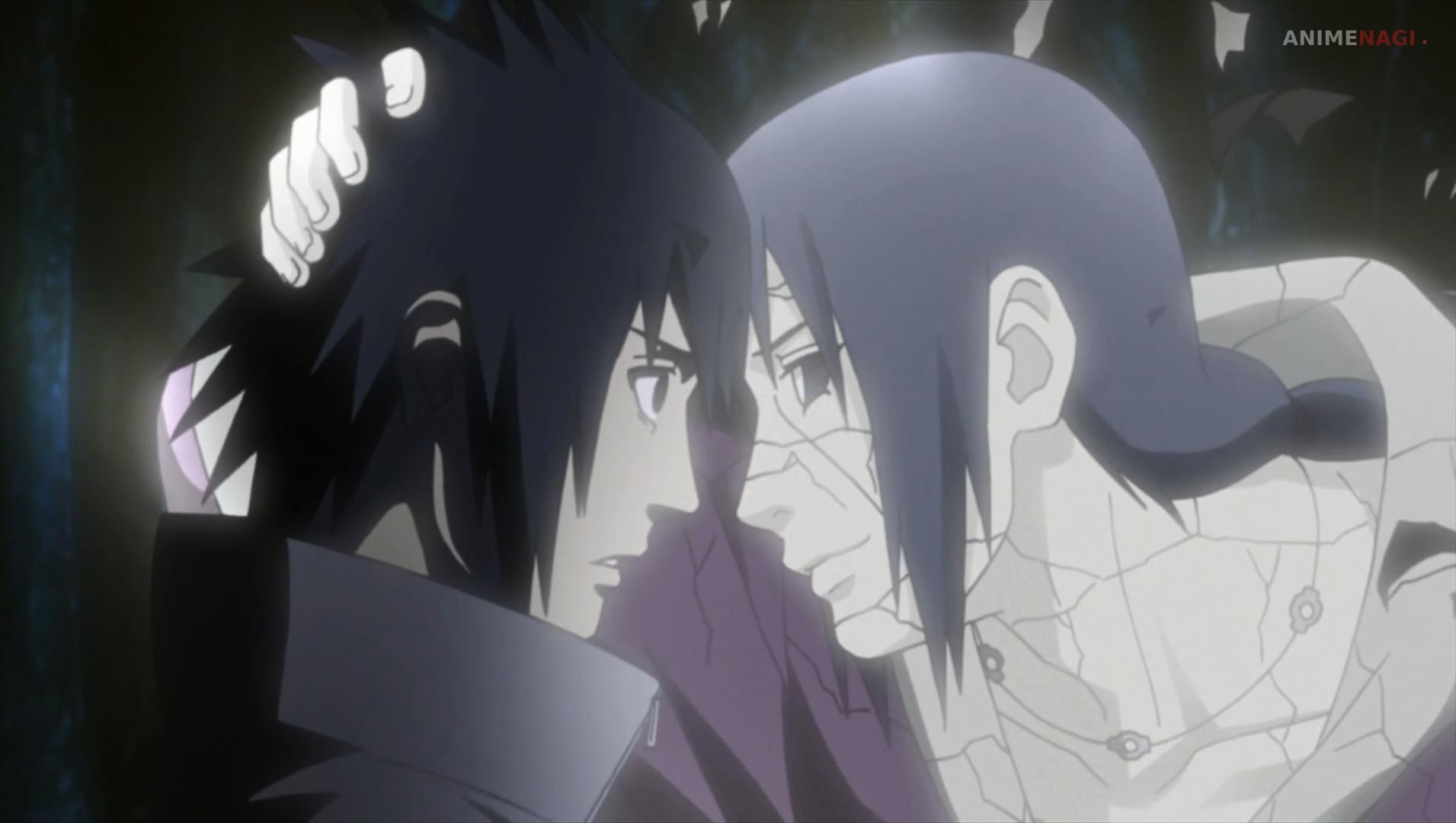
At first glance, Itachi Uchiha appeared to be one of anime’s coldest traitors. In Naruto Shippuden, he massacred the entire Uchiha clan and left only his younger brother Sasuke alive. For years, Sasuke’s hatred toward Itachi became one of the series’ central emotional conflicts.
However, Naruto later revealed the tragic truth behind Itachi’s actions. Instead of being a power-hungry killer, Itachi was secretly ordered to eliminate the Uchiha clan to prevent a civil war that could have destroyed the Hidden Leaf Village. He sacrificed his reputation, family, and future to protect the village from chaos.
This revelation completely transformed the emotional meaning of the story. Sasuke’s revenge journey suddenly became tragic rather than heroic because he had dedicated his life to killing the one person who truly loved him the most. The betrayal was no longer about hatred. It became a story about sacrifice, political corruption, and impossible choices.
Itachi’s truth also reshaped how fans viewed the Hidden Leaf Village itself. Naruto had long portrayed the village as a symbol of unity and protection, but the Uchiha massacre exposed the darker side of its leadership and political system. That moral complexity became increasingly important during the later arcs of the series.
Few anime betrayals have aged as well emotionally as Itachi’s story because the twist added layers of tragedy to nearly every previous interaction between the brothers. Many fans still consider Itachi one of anime’s most emotionally complex characters because of this reveal.
Blackbeard Betraying Whitebeard Reshaped One Piece
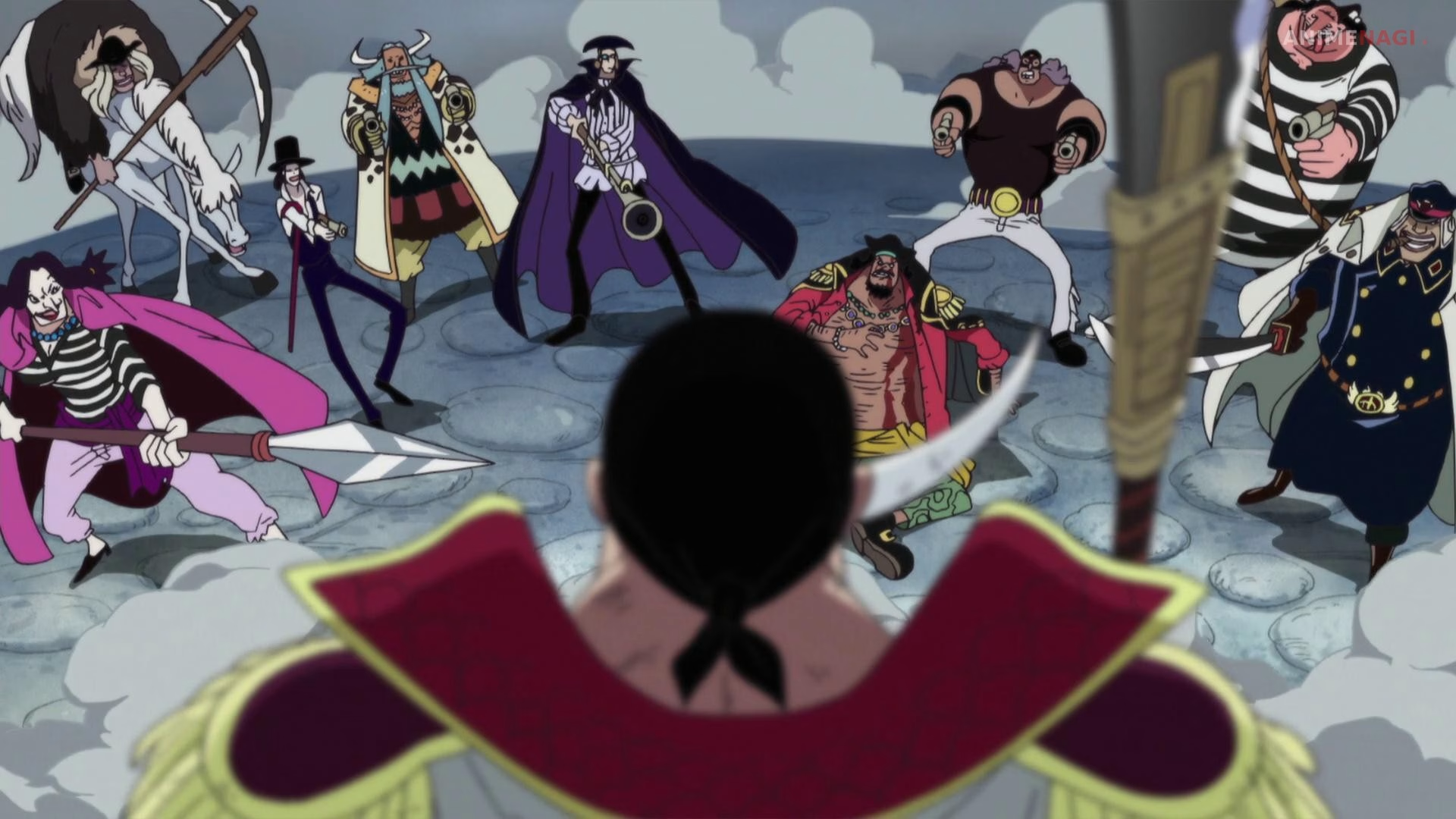
One Piece has featured many betrayals over the years, but Marshall D. Teach betraying Whitebeard stands above most of them because of its massive consequences for the entire world. Blackbeard initially appeared to be another pirate serving under Whitebeard’s legendary crew, but his ambition eventually led him to murder a crewmate and betray the family that accepted him.
That betrayal triggered a domino effect that reshaped One Piece forever. Ace pursued Blackbeard to avenge the murdered crewmate, which eventually led to Ace’s capture by the Marines. The Paramount War followed shortly afterward, resulting in both Ace and Whitebeard dying during one of the most emotional arcs in anime history.
What makes Blackbeard’s betrayal especially important is how much it altered the balance of power in the One Piece world. Whitebeard’s death created a massive power vacuum among pirates, while Blackbeard used the chaos to rise as one of the series’ most dangerous figures. The era that followed felt fundamentally different from everything before it.
Luffy’s personal journey also changed dramatically after this betrayal. Until Marineford, One Piece often maintained a hopeful and adventurous tone despite its darker moments. Ace’s death forced Luffy to confront genuine helplessness and emotional loss for the first time in the series.
Blackbeard himself became one of anime’s most unpredictable villains because his betrayal reflected pure opportunism and ambition. Unlike villains motivated by revenge or ideology, Blackbeard simply exploits chaos whenever it benefits him. That unpredictability continues to shape One Piece even now.
Why Anime Betrayals Leave Such a Lasting Impact
Anime betrayals work so effectively because long-form storytelling allows viewers to emotionally invest in characters over hundreds of episodes. When a trusted ally suddenly becomes an enemy, the betrayal feels personal for audiences who spent years watching those relationships develop.
The best betrayals also force stories to evolve rather than returning to the status quo. Griffith’s betrayal changed Berserk into a revenge tragedy. Reiner’s reveal transformed Attack on Titan into a political war drama. Itachi’s truth redefined Naruto’s emotional core. These moments mattered because they permanently altered the direction of their narratives.
Many anime fans still debate these betrayals years later because they introduced moral complexity instead of simple good-versus-evil conflicts. Characters like Itachi, Reiner, and even Aizen became memorable partly because their betrayals revealed deeper motivations and philosophies rather than shallow villainy.
Anime continues to produce surprising twists, but only a few betrayals truly redefine an entire story. The betrayals on this list succeeded because they changed not only the characters involved, but also how audiences understood the world of each series itself.