Yuri on Ice is a sports anime that goes far beyond competitive figure skating, blending emotional storytelling, character growth, and a widely celebrated romantic narrative. Released in 2016 and produced by MAPPA, the series quickly became a global hit for its unique mix of realism and heartfelt drama. At its core, the anime follows Japanese figure skater Yuri Katsuki, who struggles with confidence and self-doubt after a crushing defeat.
The story begins when Yuri unexpectedly gains the attention of his idol, Russian champion Victor Nikiforov, who decides to become his coach. This moment sets the stage for a transformative journey that explores ambition, identity, and love. While competitions drive the plot forward, the real focus lies in Yuri’s personal growth and his evolving relationship with Victor. Understanding what Yuri on Ice is about means looking beyond the ice rink to the emotional stakes that define every performance.
The Core Story: Yuri’s Comeback Journey
At its heart, Yuri on Ice is about redemption and self-discovery. Yuri Katsuki begins the series at a low point in his career, having failed at the Grand Prix Final and returned home feeling defeated. He is portrayed as a talented but mentally fragile athlete who struggles under pressure.
Everything changes when a video of Yuri performing Victor’s routine goes viral. This performance catches Victor Nikiforov’s attention, leading him to travel to Japan and offer to coach Yuri personally. From that moment, the series shifts into a comeback story focused on rebuilding confidence.
As Yuri trains under Victor, he learns to embrace his emotions rather than suppress them. Each skating program reflects his internal struggles and growth. This emotional connection to performance becomes a defining theme throughout the series.
Figure skating in Yuri on Ice is not just a sport but a storytelling device. Each routine is carefully choreographed to express a character’s personality, emotions, and development. Yuri’s performances evolve from hesitant and anxious to confident and expressive.
The competitions, including the Grand Prix series, provide structure to the narrative. They introduce rivals like Yuri Plisetsky, a young Russian prodigy with a fierce personality. These rivalries push Yuri Katsuki to improve and redefine his limits.
The show also emphasizes the technical and artistic aspects of skating. It highlights how athletes balance physical skill with emotional storytelling, making every performance feel meaningful. This approach sets it apart from typical sports anime.
Yuri and Victor’s Relationship Explained
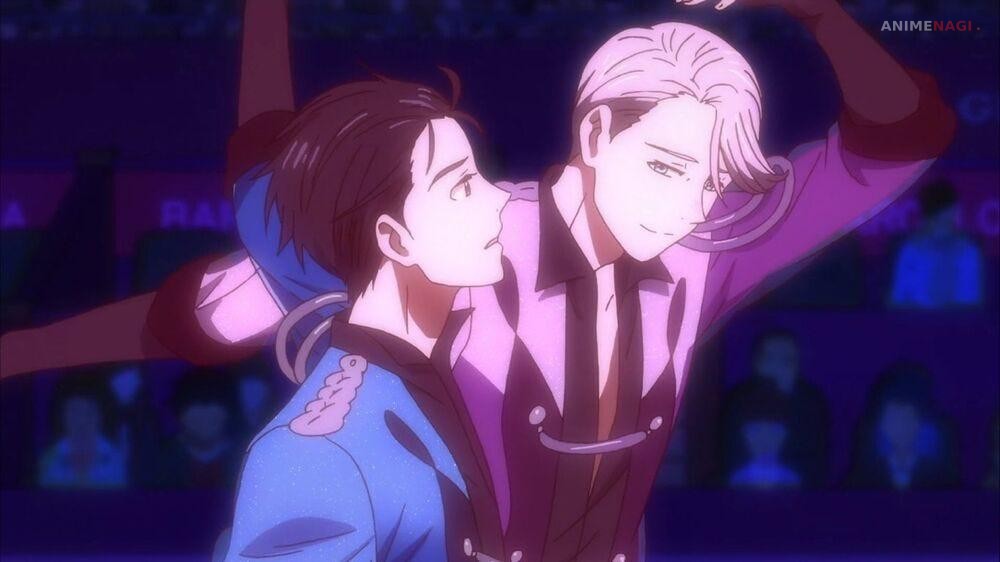
One of the most defining aspects of Yuri on Ice is the relationship between Yuri Katsuki and Victor Nikiforov. What begins as a coach-student dynamic gradually develops into a deep emotional bond. Their connection becomes central to the story’s progression.
Victor plays a crucial role in helping Yuri overcome his insecurities. At the same time, Yuri inspires Victor to rediscover his own passion for skating. Their relationship is built on mutual support and understanding rather than traditional rivalry.
As the series progresses, their bond becomes romantic, making Yuri on Ice one of the few mainstream anime to openly explore a same-sex relationship. This aspect contributed significantly to its global popularity and cultural impact.
Themes That Define Yuri on Ice
The anime explores several themes that resonate beyond sports. One of the most prominent is self-acceptance. Yuri’s journey is about learning to believe in himself and embrace his identity, both as a skater and as a person.
Another key theme is the pressure of competition. The series portrays the mental challenges athletes face, including anxiety, fear of failure, and the need to meet expectations. These elements add realism to the story.
Love and connection also play a major role. Whether it is Yuri and Victor’s relationship or the bonds between competitors, the anime emphasizes how relationships shape personal growth. These themes make the story relatable even for viewers unfamiliar with figure skating.