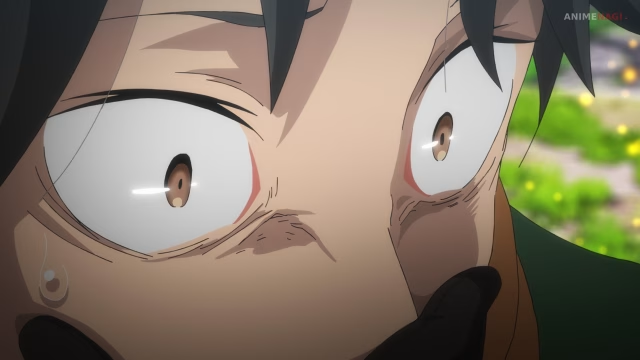
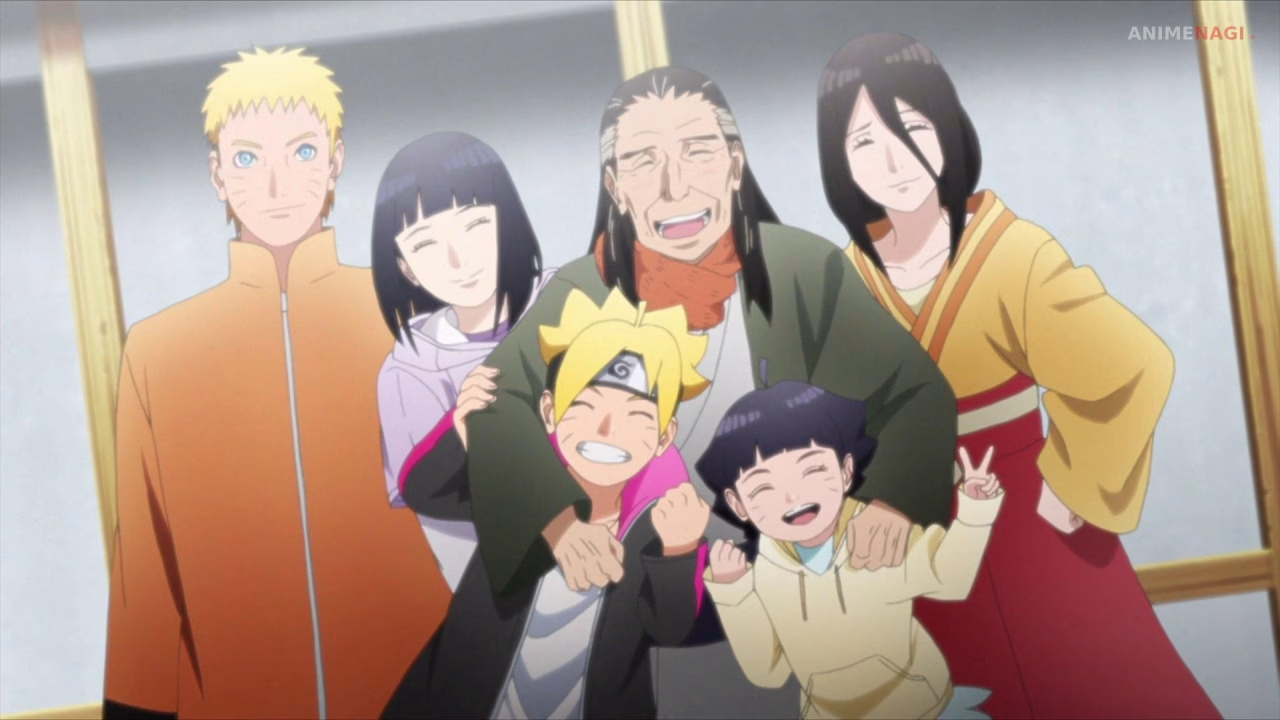
Boruto Uzumaki once struggled to understand why Naruto could not simply spend more time with his family. As the Seventh Hokage, Naruto was constantly occupied with protecting the Hidden Leaf and carrying responsibilities that often kept him away from Boruto and Himawari. That frustration gradually changes after Boruto experiences a situation that forces him to lose almost everything he once considered secure.
Following Kawaki’s actions and Eida’s Omnipotence, Boruto becomes an outsider in his own village while Naruto is believed to be dead. The experience gives Boruto a painful understanding of what it means to sacrifice personal happiness for the people you love. Instead of judging Naruto for his absences, Boruto begins carrying forward the same determination to protect others, even when nobody recognizes his efforts.
How Boruto Comes to Understand Naruto’s Sacrifice
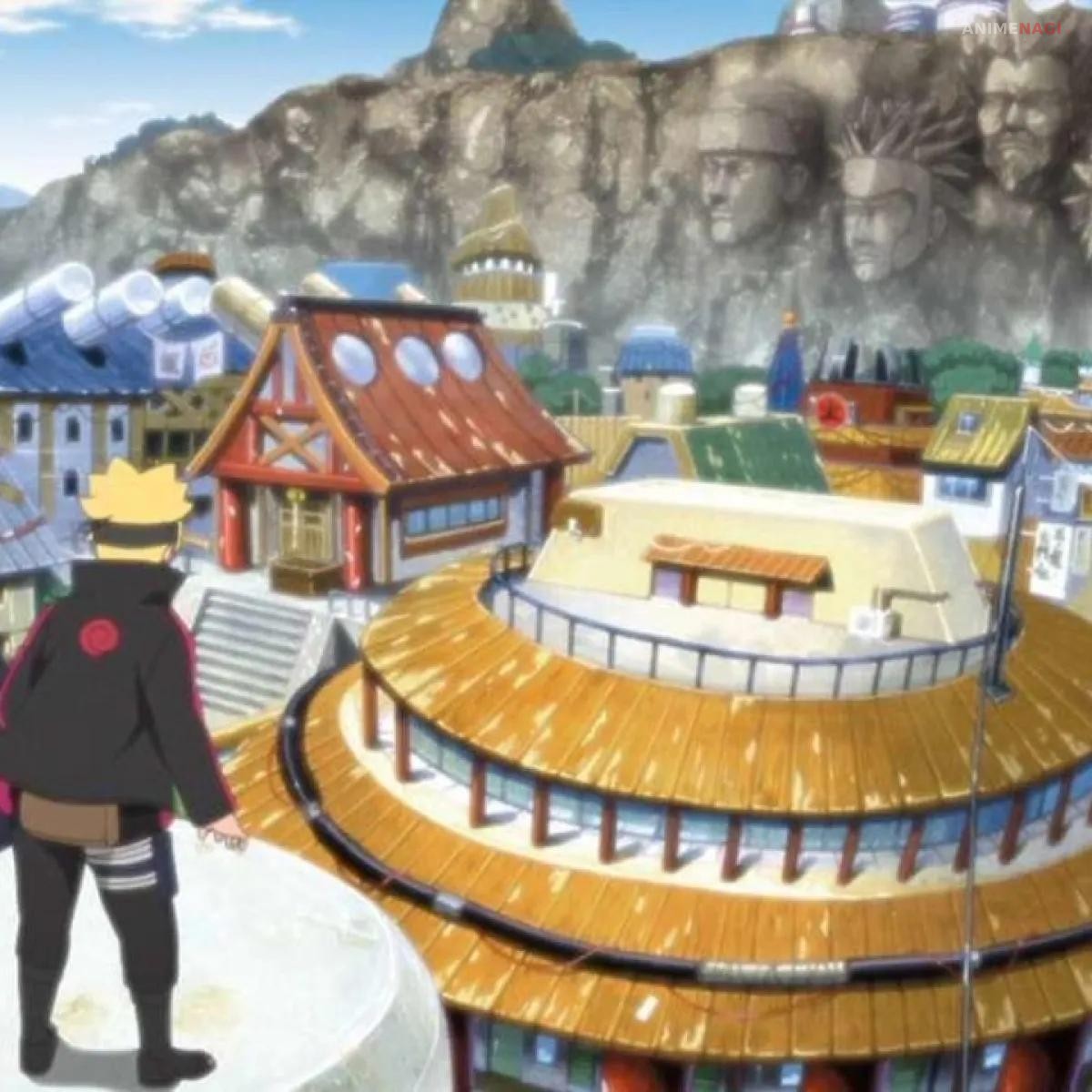
Before Omnipotence changes the world, Boruto primarily sees Naruto as a father who is too busy being Hokage. He becomes angry when Naruto misses important family moments and struggles to accept why the village always seems to come before his personal life. Boruto’s perspective changes when Kawaki’s wish triggers Omnipotence, causing almost everyone to remember Kawaki as Naruto’s son and Boruto as the enemy responsible for Naruto’s supposed death.
Boruto is suddenly forced to experience the kind of loneliness Naruto once knew. He loses his home, his friends, his position in the village, and even the identity that connected him to Naruto. Despite this, Boruto refuses to give up and chooses to become stronger rather than surrender to despair. The official story describes this determination as part of the Will of Fire and the perseverance he inherited from his father.
His sacrifice becomes even more meaningful because Boruto continues protecting people who now consider him an enemy. He returns to the Hidden Leaf after his three year absence and fights threats threatening the village despite having almost no reason to expect gratitude in return. This mirrors Naruto’s philosophy of protecting others even when doing so comes with enormous personal costs.
Boruto therefore understands Naruto’s sacrifice through experience rather than explanation. He finally learns that being a protector can mean giving up recognition, comfort, and even relationships for the sake of others. That realization brings father and son closer thematically, as Boruto begins carrying the same resolve that once defined Naruto’s journey.