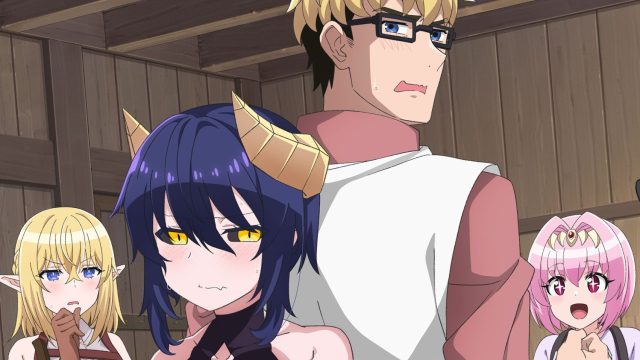
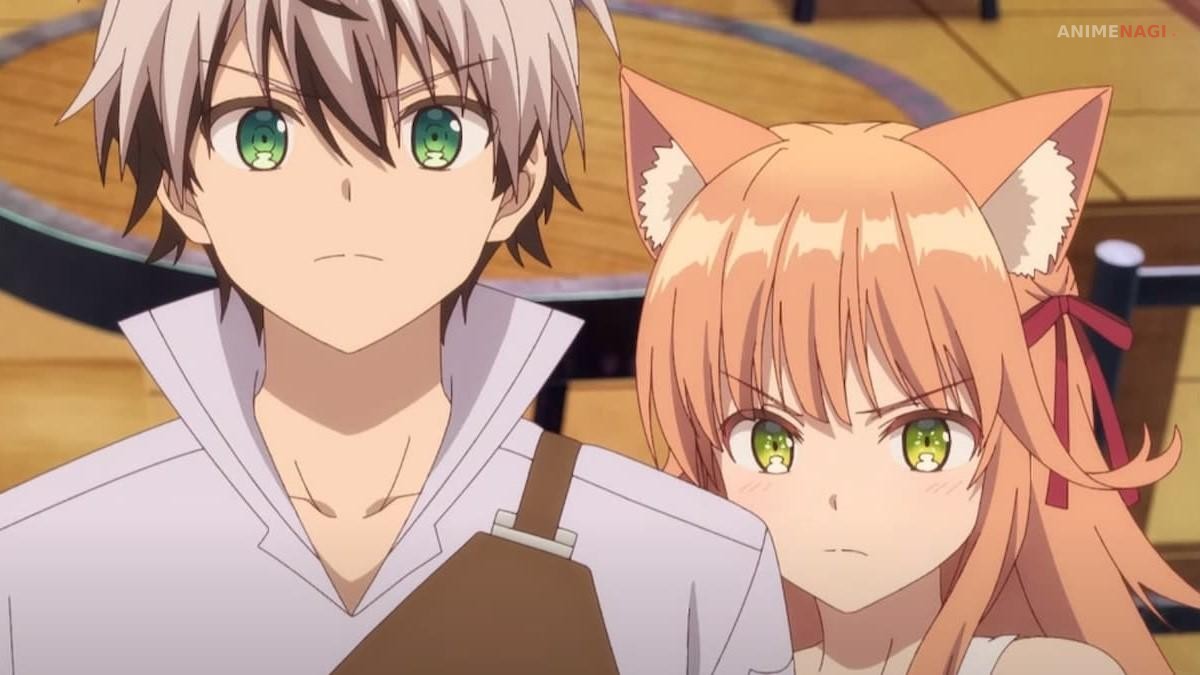
Beast Tamer begins with a familiar fantasy trope: a seemingly weak party member is cast aside by the hero’s group. However, the series quickly reveals that Rein Shroud’s betrayal is far more significant than a simple misunderstanding. Once dismissed as a useless Beast Tamer, Rein goes on to become one of the strongest adventurers in the world, proving that his former teammates had completely misjudged his abilities.
Many viewers wonder why the Hero Party treated Rein so harshly despite his unwavering loyalty. The answer lies in the party’s growing arrogance, their narrow view of combat strength, and Hero Arios’ flawed leadership. Rather than appreciating Rein’s unique support skills, they viewed him as dead weight because he rarely fought on the front lines. Ironically, after Rein leaves the party, the Hero Party rapidly declines while Rein’s true potential finally begins to emerge, becoming one of the central themes of Beast Tamer.
Why did the Hero Party betray Rein?
At the start of the series, Rein has already spent years supporting Hero Arios and his companions. Although he rarely delivers the finishing blow in battle, Rein handles many of the party’s essential responsibilities. He scouts dangerous areas, manages supplies, gathers intelligence, tames monsters for support, and ensures the group can complete its missions safely.
Despite these contributions, the Hero Party judges him solely by his direct combat ability. Since Rein is not a traditional swordsman or mage, Arios and the others conclude that he offers little value during battles. Their inability to recognize the importance of support roles ultimately leads them to expel him without considering everything he has done for the team.
While every member of the Hero Party underestimates Rein, Hero Arios bears the greatest responsibility for his expulsion. As the chosen Hero, Arios gradually develops an inflated ego and begins believing that victory comes solely from overwhelming combat power. This arrogance causes him to dismiss anyone whose strengths are not immediately visible on the battlefield.
Instead of treating Rein as a trusted companion, Arios sees him as a burden holding the party back. His attitude influences the rest of the group, who begin mocking Rein and questioning his usefulness. Their decision is based more on pride than logic, making Rein’s dismissal a product of poor leadership rather than objective evaluation.
After leaving the Hero Party, Rein registers as an adventurer and soon meets Kanade, a member of the Cat Spirit Tribe—one of the world’s Ultimate Species. By forming a contract with her, Rein unlocks abilities that no ordinary Beast Tamer possesses. This revelation shows that his potential had never been limited; he simply had never been given the opportunity to use his powers fully.

As Rein continues his journey, he forms contracts with other Ultimate Species, gaining new abilities with each partnership. His strength grows rapidly, allowing him to defeat enemies that even the Hero Party struggles against. More importantly, Rein earns the loyalty of his companions through kindness and mutual respect rather than authority, creating a team built on trust instead of fear.
The contrast between Rein’s success and the Hero Party’s decline reinforces the story’s central message. Without Rein handling logistics, planning, and support, Arios’ group becomes increasingly ineffective. Rather than admitting their mistake, Arios grows jealous of Rein’s accomplishments and becomes obsessed with proving himself superior.
This jealousy eventually pushes Arios down a darker path. Instead of focusing on defeating the Demon Lord, he prioritizes revenge against Rein, abandoning the responsibilities expected of a true hero. His obsession exposes the flaws that were always present beneath his heroic title, while Rein naturally becomes the kind of leader Arios was meant to be.
Rein’s expulsion serves as the catalyst for everything that follows in Beast Tamer. Had he remained with the Hero Party, he would likely have continued suppressing his true abilities while receiving little appreciation for his efforts. Being forced out gives him the freedom to discover his unique gifts and build meaningful relationships with companions who genuinely value him.
The series ultimately shows that true strength is not measured solely by raw combat power. Rein succeeds because he combines compassion, strategic thinking, and extraordinary Beast Tamer abilities, qualities that the Hero Party failed to recognize. Their betrayal therefore becomes less about Rein’s shortcomings and more about their own arrogance and shortsightedness. In the end, Beast Tamer turns a painful rejection into the beginning of Rein’s journey toward becoming a hero in his own right.