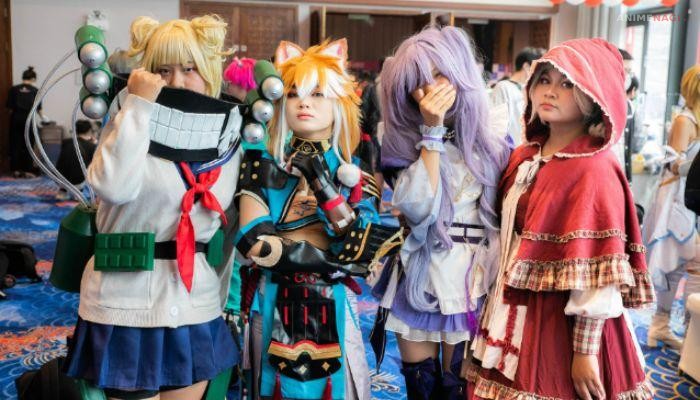
Anime has evolved into a global phenomenon, with millions of viewers consuming Japanese content through platforms like Netflix and Crunchyroll. What was once a niche entertainment medium is now a mainstream force, influencing storytelling, animation styles, and pop culture worldwide. However, as anime has expanded beyond Japan, it has also become the center of ongoing controversy.
These controversies are rarely about a single scene or series. Instead, they reflect deeper cultural differences between Japan and international audiences, especially in regions like North America and Europe. What may be accepted or normalized in one culture can be criticized or rejected in another. This gap often leads to debates about censorship, artistic freedom, and the responsibilities of creators and distributors.
Understanding why anime remains controversial requires looking beyond surface-level reactions. It involves examining how culture shapes storytelling, how global platforms handle sensitive content, and why backlash continues even as anime becomes more popular than ever.
What Drives Anime Controversies in the First Place
Anime controversies usually arise when content challenges the expectations or norms of a particular audience. Unlike Western animation, which is often associated with family-friendly content, anime spans a wide range of genres and age groups. This includes mature storytelling, complex themes, and unconventional character dynamics.
Because anime is created primarily for a Japanese audience, it reflects local storytelling traditions and cultural nuances. When these elements are introduced to global viewers, they can sometimes feel unfamiliar or even uncomfortable. This disconnect is often the starting point for controversy.
Another major factor is context. Scenes that make sense within a specific narrative or cultural framework may appear problematic when viewed without that context. As anime reaches broader audiences, the likelihood of misinterpretation increases, leading to stronger reactions and debates online.
Cultural Differences Between Japan and Western Audiences
One of the most important factors behind anime controversies is the difference in cultural perspectives between Japan and the West.
In Japan, media often explores a wider range of themes without the same level of public backlash seen in Western countries. This does not mean there are no standards, but the boundaries are defined differently. Storytelling tends to prioritize artistic expression and narrative experimentation.
In contrast, Western audiences often evaluate content through a different set of social and ethical expectations. Issues related to representation, tone, and appropriateness are more heavily scrutinized. This can lead to criticism of anime that does not align with these expectations.
These differences are not inherently right or wrong. They simply reflect how culture influences perception. However, when anime crosses borders, these contrasting viewpoints inevitably collide, creating ongoing debates.
The Role of Global Streaming Platforms
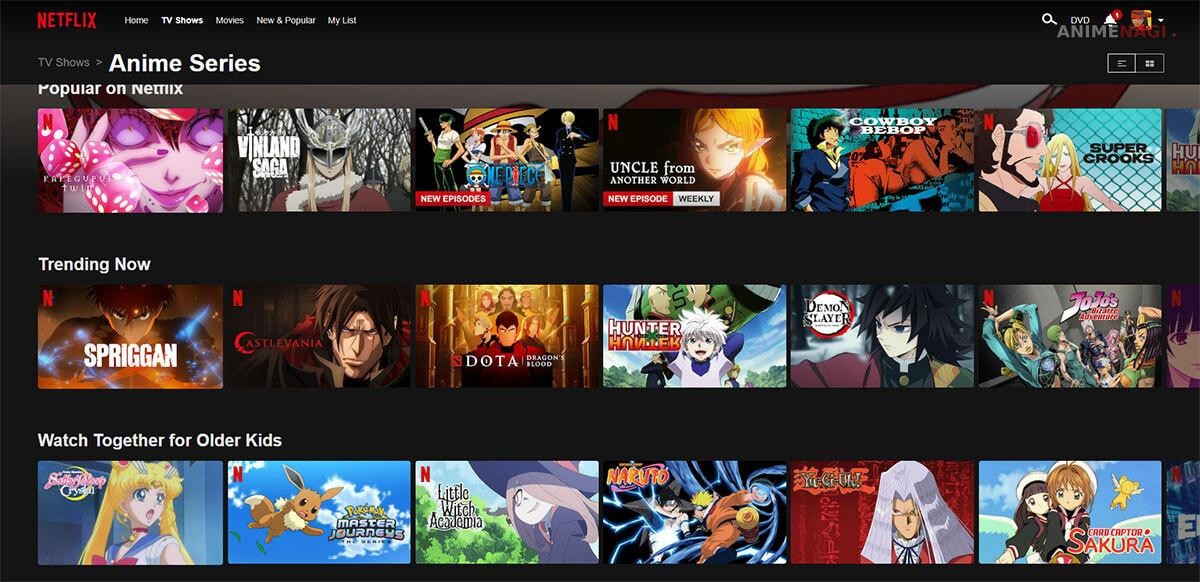
Platforms like Netflix and Crunchyroll play a major role in shaping how anime is presented to international audiences.
These platforms must balance multiple priorities. They aim to preserve the original content while also complying with regional laws and audience expectations. This often leads to selective edits, content warnings, or differences in how shows are marketed.
For example, certain scenes may be modified or removed depending on the country in which the anime is distributed. In some cases, entire series may be unavailable in specific regions due to legal restrictions. These decisions are not always popular with fans, who may see them as unnecessary interference.
At the same time, streaming platforms operate in highly regulated environments. They must navigate complex legal frameworks that vary from one country to another. This makes censorship less about preference and more about compliance.
Social Media and the Amplification of Backlash
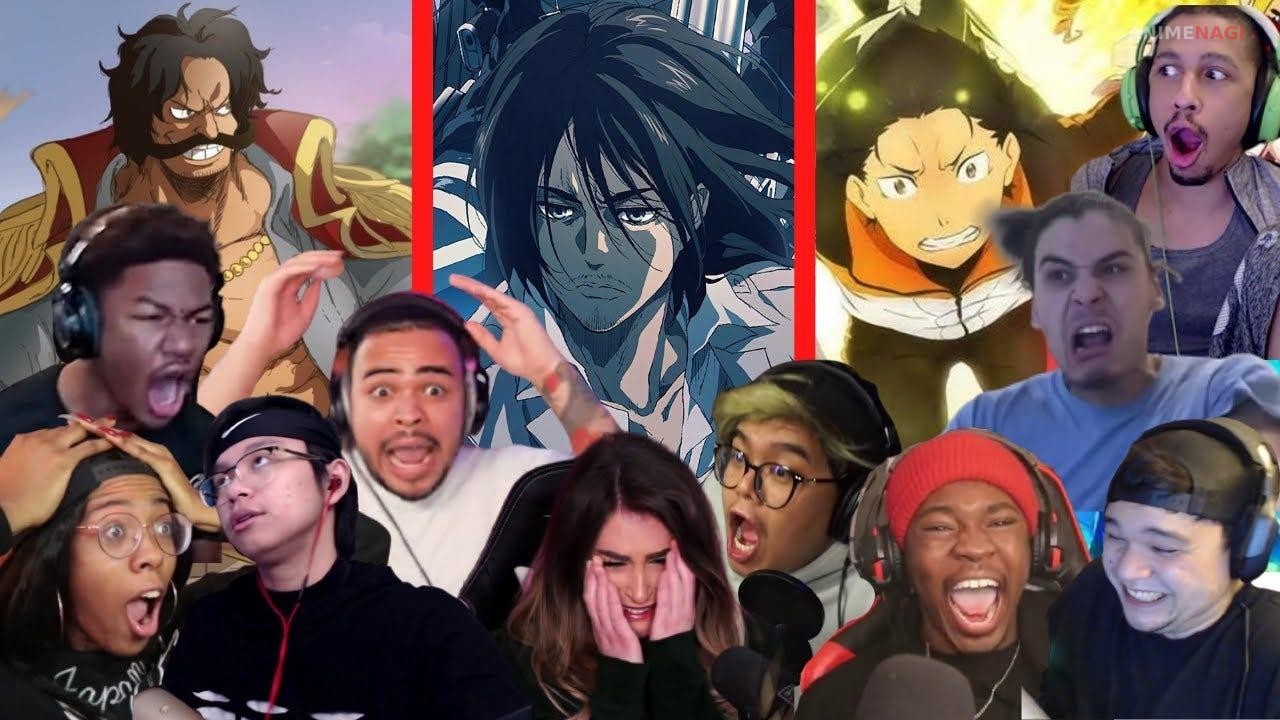
In the modern era, social media has become a key driver of anime controversies.
Platforms like X (formerly Twitter), Reddit, and YouTube allow fans to share opinions instantly and at a massive scale. A single scene or episode can spark global discussions within hours of release. This rapid spread of information often amplifies both criticism and support.
One important aspect of social media is how it encourages strong reactions. Content that generates outrage or debate is more likely to gain visibility. This can create the impression that controversies are larger or more widespread than they actually are.
At the same time, social media also gives fans a voice. It allows viewers to express concerns, challenge creators, and influence how content is perceived. This dynamic has fundamentally changed how anime is consumed and discussed worldwide.
Artistic Freedom vs Audience Responsibility
A central tension in anime controversies is the balance between artistic freedom and audience responsibility.
Creators often view their work as a form of expression that should not be restricted by external pressures. Anime has a long history of pushing boundaries and exploring unconventional ideas. This willingness to experiment is one of the reasons the medium has gained global appeal.
On the other hand, audiences expect content to align with certain values, especially when it is widely accessible. As anime becomes more mainstream, these expectations become more pronounced. Viewers are more likely to question and critique what they see.
This creates a complex situation where neither side is entirely wrong. Artistic freedom is essential for creativity, but audience feedback is also important in shaping how content evolves. The challenge lies in finding a balance that respects both perspectives.

Legal Differences and Regional Restrictions
Legal frameworks play a significant role in how anime is distributed and perceived.
Different countries have different laws regarding media content. What is allowed in one region may be restricted or banned in another. This forces distributors to adapt content or limit its availability based on local regulations.
These legal differences are often misunderstood as censorship driven by preference rather than necessity. In reality, companies must comply with these laws to operate in specific markets. Failure to do so can result in penalties or loss of distribution rights.
Understanding this aspect of the debate helps clarify why certain decisions are made. It shifts the focus from blaming individual platforms to recognizing the broader regulatory environment.
Why Some Anime Face More Backlash Than Others
Not all anime generate the same level of controversy.
Series that push boundaries or explore sensitive themes are more likely to attract attention. This is especially true when the content contrasts sharply with the expectations of a global audience. Popular shows also face more scrutiny simply because they have a larger viewership.
Another factor is timing. As social awareness evolves, so do audience reactions. Content that was once accepted may be reevaluated in a different cultural climate. This can lead to renewed criticism of older series.
At the same time, many anime avoid controversy altogether by aligning closely with mainstream expectations. This highlights how the medium itself is diverse, with a wide range of storytelling approaches.
The Impact on Creators and the Industry
Ongoing controversies have a direct impact on creators and the anime industry as a whole.
Some creators may feel pressure to adjust their work to appeal to international audiences. This can influence storytelling choices, character design, and thematic focus. While this can lead to broader appeal, it may also limit creative freedom.
Studios and distributors must also consider how controversies affect their reputation. Negative backlash can impact viewership, partnerships, and long-term success. As a result, companies often take a cautious approach when handling sensitive content.
Despite these challenges, the global demand for anime continues to grow. This suggests that while controversies are significant, they are not enough to slow the medium’s expansion.
The Future of Anime in a Global Market
As anime continues to gain popularity worldwide, the conversation around controversies is likely to evolve.
One possible direction is greater collaboration between Japanese creators and international partners. This could lead to content that is more easily understood across cultures while still maintaining its unique identity.
Another trend is increased transparency from streaming platforms. Providing context, content warnings, and clear communication can help bridge the gap between creators and audiences. This approach allows viewers to make informed decisions without heavily altering the original work.
Ultimately, the future of anime will depend on how well the industry navigates these challenges. Balancing cultural authenticity with global accessibility will remain a key issue.
Anime controversies are not simply about individual scenes or series. They are the result of deeper cultural differences, evolving audience expectations, and the complexities of global distribution.
As anime continues to expand beyond Japan, these debates are likely to remain a central part of its growth. They reflect the challenges of sharing a culturally rich medium with a diverse global audience.
Rather than viewing controversy as purely negative, it can also be seen as a sign of engagement. It shows that audiences care deeply about the content they consume and are willing to discuss it critically.
In the end, anime’s ability to spark conversation is part of what makes it so powerful. The challenge moving forward is not to eliminate controversy, but to understand it in a way that respects both creators and audiences.
Another key factor shaping the future of anime controversies is the growing influence of global audiences on production decisions. As international viewership continues to rival domestic demand, studios are becoming more aware of how their content will be received outside Japan. This does not mean creators will abandon their cultural identity, but it does encourage more thoughtful storytelling that considers multiple perspectives.
At the same time, audiences are also becoming more open to understanding cultural context rather than reacting immediately. This gradual shift on both sides could lead to a more balanced relationship between creators and viewers, reducing unnecessary backlash while preserving creative freedom.