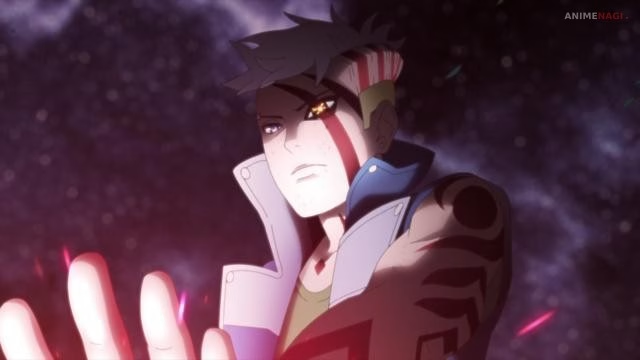
The conflict between Kawaki and Code is one of the most important rivalries in the Boruto storyline. While many fans initially viewed their clashes as another battle between powerful characters, the reality is far more complicated. Their feud is rooted in trauma, ideology, revenge, and the lingering influence of the Ōtsutsuki threat that continues to shape the ninja world.
What makes the Kawaki versus Code conflict so compelling is that both characters believe they are carrying out the will of the same master. After Isshiki Ōtsutsuki’s death, the two survivors of Kara inherited very different perspectives on what should happen next. Code became obsessed with avenging Isshiki and fulfilling his plans, while Kawaki dedicated himself to protecting Naruto at any cost. These opposing goals eventually place them on a direct collision course.
The rivalry also serves as a major turning point for the Boruto series. It pushes Kawaki further into darkness, escalates the danger surrounding Boruto, and helps trigger some of the biggest events in the manga. Understanding why Kawaki and Code fight requires looking at their connection to Isshiki, the Karma seal, and the growing fear that the Ōtsutsuki will eventually destroy everything they care about.
The Shared Connection That Ties Kawaki and Code Together
Before becoming enemies, Kawaki and Code were connected through Kara and Isshiki Ōtsutsuki. Both characters were subjected to experiments related to Karma, the mysterious seal used by Ōtsutsuki members to transfer their essence into vessels. While Kawaki became Isshiki’s chosen vessel, Code was left behind despite his loyalty.
This difference created a massive imbalance between them. Kawaki was viewed as valuable because Isshiki intended to reincarnate through him. Code, meanwhile, developed an intense devotion to Isshiki after surviving the Karma experiments. Even though he was not selected as the primary vessel, he continued to worship Isshiki and viewed his mission as sacred.
The death of Isshiki completely changed their relationship. Kawaki experienced freedom for the first time after escaping years of abuse, while Code saw the loss of his master as an unforgivable crime. From that moment onward, Code began treating Kawaki as both a failure and an obstacle. Rather than honoring Isshiki’s wishes, Kawaki chose to reject the future that had been forced upon him.
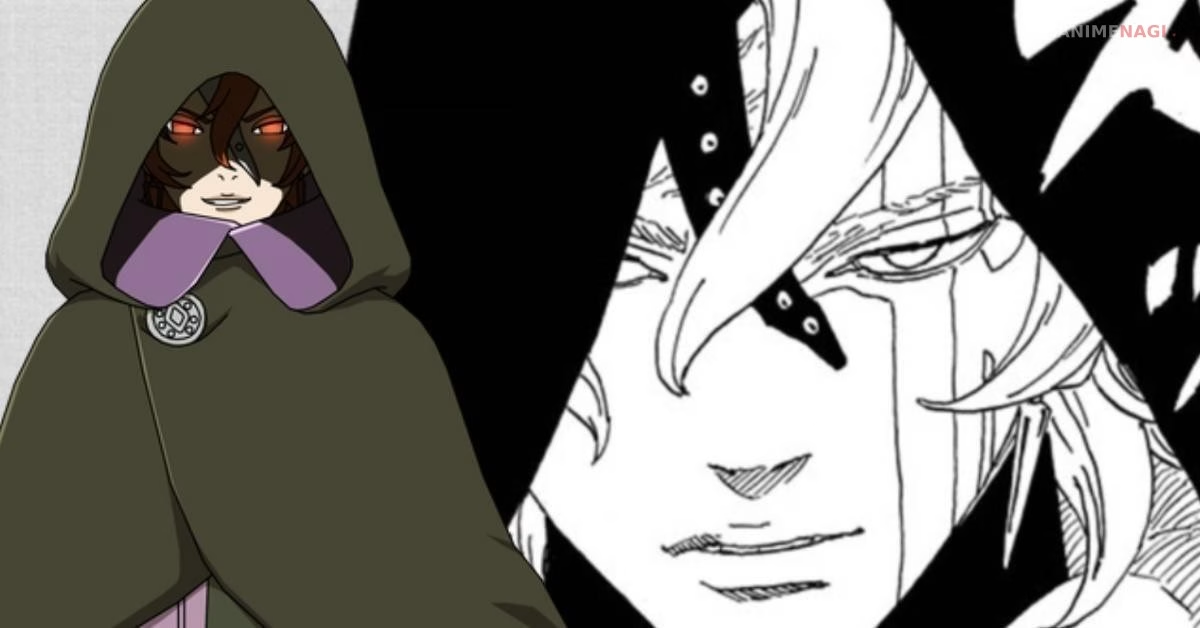
That decision became the foundation of their conflict. Code wanted to continue Isshiki’s legacy, while Kawaki wanted to destroy everything connected to the Ōtsutsuki. Since both men possessed Karma-related abilities and carried emotional scars from the same source, their eventual confrontation became inevitable.
Why Code Wants Revenge Against Kawaki
Following Isshiki’s death, Code’s entire purpose revolved around revenge. He blamed the people responsible for preventing Isshiki’s resurrection and believed they had robbed the world of a godlike being. Naruto, Boruto, Sasuke, and Kawaki all became targets in his eyes.
However, Kawaki held special importance. Code viewed him as the vessel who failed Isshiki. Instead of embracing his role, Kawaki turned against the man who had given him power. To someone as fanatically loyal as Code, this was the ultimate betrayal.
Code’s anger intensified because Kawaki inherited many of the abilities and advantages that Code never received. Despite all his loyalty, Code remained a subordinate. Kawaki, on the other hand, was chosen as the centerpiece of Isshiki’s plans. This created a mixture of resentment, jealousy, and hatred.
As a result, Code’s attacks are not driven solely by strategy. They are deeply personal. Every confrontation becomes an opportunity for him to punish the person he believes ruined Isshiki’s future. This emotional obsession makes Code one of Kawaki’s most dangerous enemies because he is willing to risk everything to achieve revenge.
Kawaki’s Obsession With Protecting Naruto
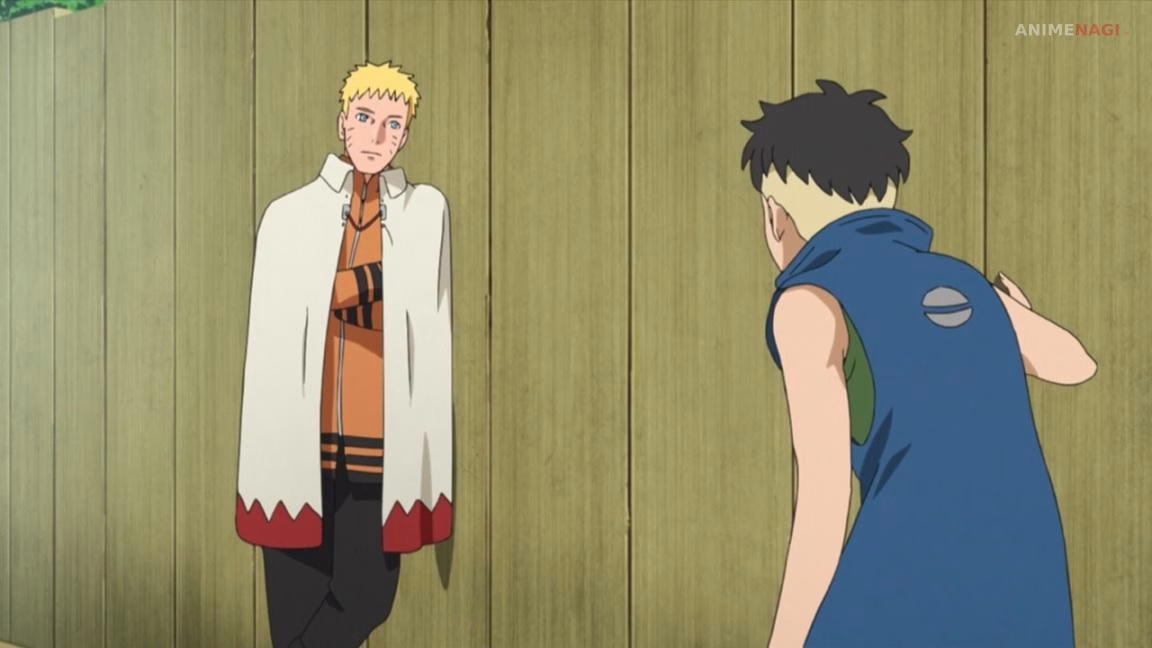
While Code is motivated by revenge, Kawaki’s actions are driven by fear. After being welcomed into the Uzumaki family, he developed an intense attachment to Naruto. For the first time in his life, someone treated him with kindness rather than using him as a tool.
This bond fundamentally changed Kawaki’s worldview. Naruto became more than a guardian. He became the person Kawaki valued above everyone else. The problem is that this love gradually transformed into an unhealthy obsession.
Kawaki began believing that any threat to Naruto had to be eliminated permanently. Since the Ōtsutsuki represented the greatest danger to the Seventh Hokage, he concluded that they all needed to die. This included Boruto, who carried Momoshiki Ōtsutsuki within him through Karma.
Code’s actions only reinforced these fears. His attempts to revive Isshiki’s plans and use the Ten-Tails convinced Kawaki that the threat was far from over. Every attack made Kawaki more extreme in his methods. Instead of trusting others, he increasingly relied on his own judgment and power.
This mindset pushed him further away from Boruto and closer toward the destructive future hinted at in the series’ opening scenes.
The Role of Karma in Their Rivalry
The Karma seal is arguably the most important factor in the Kawaki versus Code conflict. Without it, their relationship would never have developed into such a deadly rivalry.
For Kawaki, Karma represents years of suffering under Isshiki’s control. He spent much of his life trying to escape its influence and the fate attached to it. Even after losing the seal temporarily, circumstances eventually led to him regaining a version of Isshiki’s power.
For Code, Karma symbolizes validation. Although his version came with limitations, it still connected him to Isshiki’s legacy. It allowed him to view himself as the true successor who would carry out his master’s wishes.
Because both characters derive their greatest powers from Karma, every battle between them becomes symbolic. They are not simply fighting for survival. They are fighting over who gets to define the future left behind by Isshiki.
The seal also amplifies the emotional stakes. Each confrontation reminds them of their shared past and the trauma that shaped their identities. This is one reason their battles feel more personal than many other fights in Boruto.
How Boruto Becomes the Center of Their Conflict
Although the rivalry primarily focuses on Kawaki and Code, Boruto remains at the center of everything. Both characters see him as a key factor in the future of the world.
Code views Boruto as an important Ōtsutsuki sacrifice needed for his plans involving the Ten-Tails and God Tree. Eliminating or capturing him is essential for achieving the goals inherited from Isshiki.
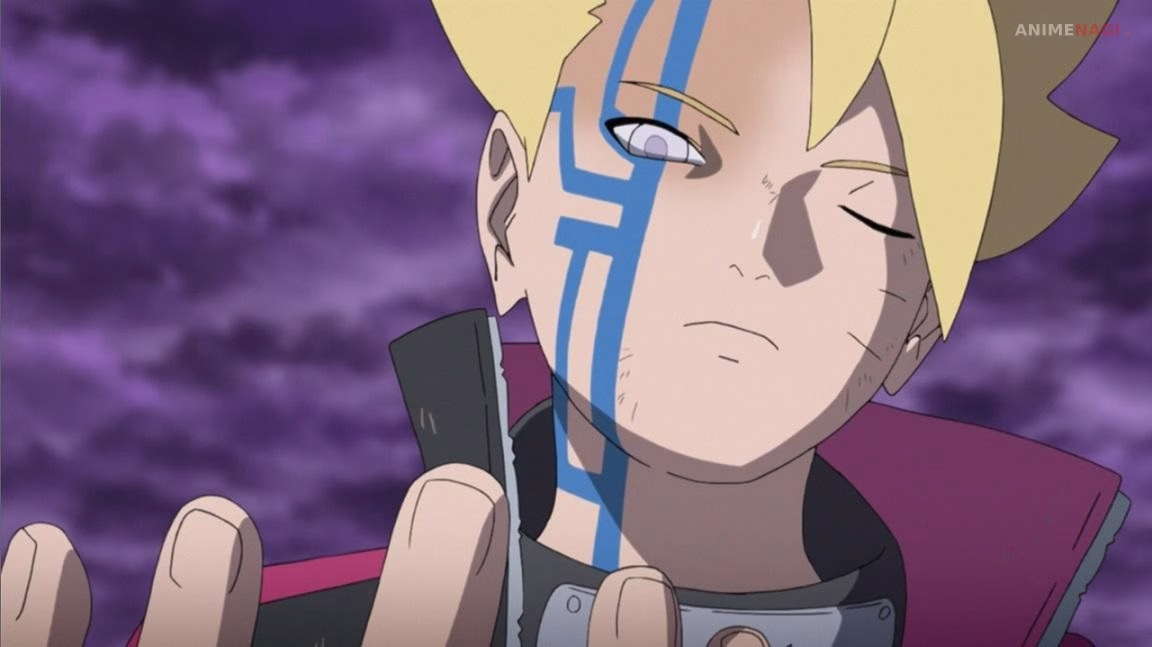
Kawaki reaches a different conclusion. He fears that Momoshiki’s influence will eventually consume Boruto and create a catastrophe. Rather than waiting for that possibility to become reality, Kawaki decides that Boruto must die before he can become a threat.
Ironically, both characters arrive at similar outcomes for completely different reasons. Code wants to use Boruto. Kawaki wants to eliminate him. In either scenario, Boruto’s life is endangered.
This dynamic transforms the rivalry into a three-way conflict. Every major decision made by Kawaki or Code eventually circles back to Boruto. Their competing agendas force him into increasingly dangerous situations and shape many of the series’ biggest story developments.
The Code Assault and Escalation of the War
The rivalry reaches a new level when Code begins directly targeting Konoha. Rather than operating in the shadows, he launches aggressive plans designed to provoke a response and weaken those who oppose Isshiki.
These attacks confirm Kawaki’s fears about the continuing Ōtsutsuki threat. He sees Code as proof that peace cannot exist while enemies connected to Isshiki remain alive. This realization drives him toward increasingly extreme choices.
At the same time, Code becomes more desperate after facing setbacks and losing control over parts of his original plans. Instead of abandoning his mission, he doubles down on revenge and destruction. This makes every encounter between the two characters more dangerous than the last.
Their conflict eventually evolves beyond personal hatred. It becomes a battle over the future of the ninja world. One side wants to continue the path associated with the Ōtsutsuki, while the other seeks to erase it entirely.
How the Rivalry Leads Into Two Blue Vortex
The consequences of the Kawaki and Code conflict extend far beyond their initial battles. Their actions directly contribute to the dramatic changes that define the Two Blue Vortex era.
As Kawaki becomes increasingly convinced that only he can protect Naruto, he takes drastic measures that reshape the entire story. His decisions affect Boruto’s life, alter relationships within Konoha, and create new enemies. Meanwhile, Code continues pursuing revenge while developing even greater ambitions involving the Ten-Tails.
The rivalry also highlights one of Boruto’s central themes: the danger of obsession. Code’s devotion to Isshiki consumes his identity, while Kawaki’s love for Naruto gradually transforms into something destructive. Both characters start with understandable motivations but allow those motivations to push them toward extreme actions.
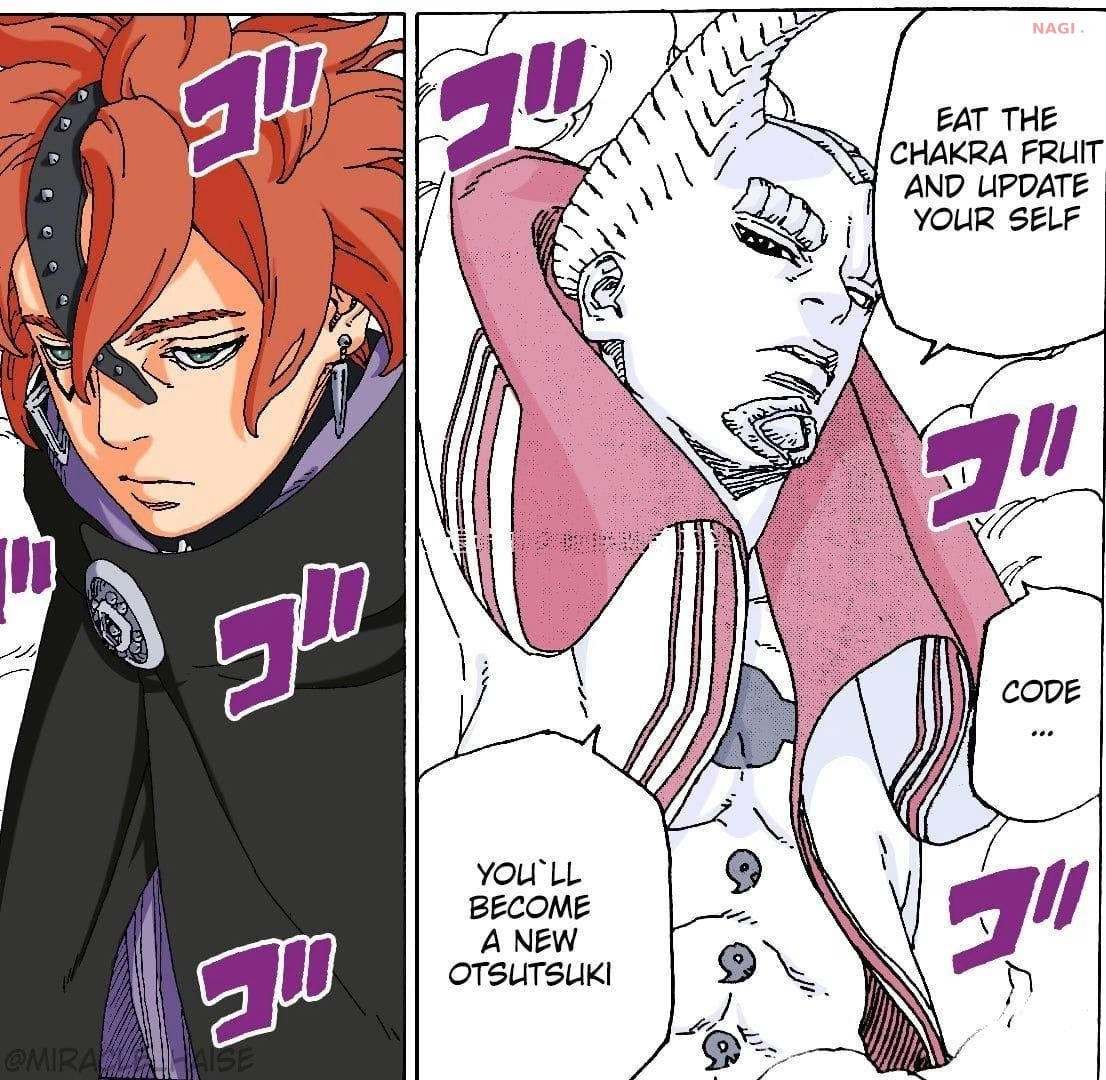
This parallel is what makes their conflict more than just another anime rivalry. It explores how trauma, loyalty, and fear can shape a person’s choices long after the original source of pain has disappeared.
The Kawaki versus Code conflict begins because two survivors of Isshiki Ōtsutsuki’s influence choose completely different paths. Code dedicates himself to revenge and the continuation of Isshiki’s will, while Kawaki becomes obsessed with destroying every threat connected to the Ōtsutsuki. Their opposing beliefs, combined with their shared history and Karma powers, make conflict unavoidable.
What starts as a personal grudge eventually grows into one of the most important battles in Boruto. Code’s desire for vengeance and Kawaki’s determination to protect Naruto push both characters toward increasingly dangerous decisions. Along the way, Boruto becomes trapped between them, turning the rivalry into a defining force within the series.
As the story continues into Two Blue Vortex, the fallout from their feud remains central to the plot. The war between Kawaki and Code is no longer just about Isshiki’s legacy. It has become a struggle over the future of the entire shinobi world.