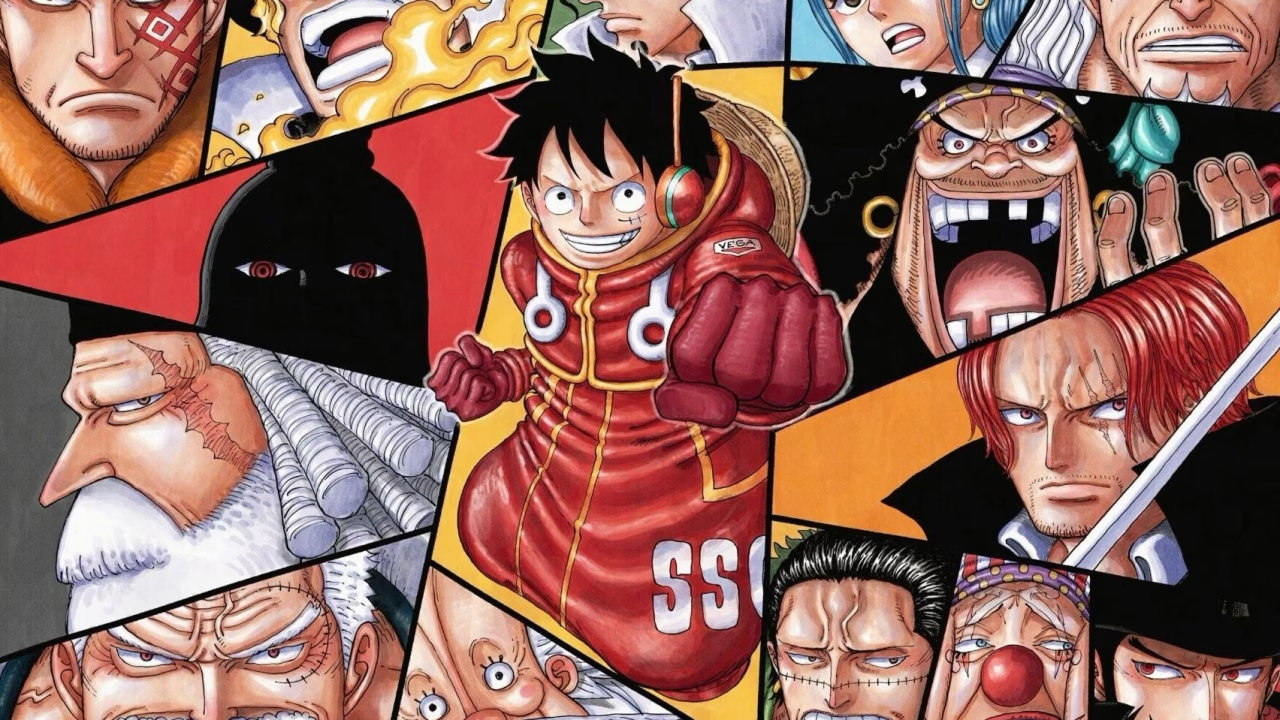
The release schedule of the One Piece manga can sometimes confuse even longtime fans. While the series is published in Weekly Shonen Jump, new chapters do not always release every single week. Breaks from creator Eiichiro Oda, magazine holidays, and production scheduling often affect the timing of new chapters. As a result, many readers regularly search for the next chapter release date or wonder why the manga occasionally skips weeks.
Understanding how the One Piece manga release schedule works is important, especially now that the series has entered its final saga. Fans closely follow chapter leaks, official release dates, and break announcements as the story approaches major revelations involving the One Piece treasure, Laugh Tale, and the Final War.
The release pattern itself is actually more structured than many readers realize. Once fans understand how Weekly Shonen Jump operates and how Oda’s break schedule works, the chapter timing becomes much easier to follow. Let’s break down exactly how One Piece chapters are released and why the schedule sometimes changes.
Where One Piece Manga Is Published
One Piece is serialized in Weekly Shonen Jump, one of Japan’s most famous manga magazines. The series officially began serialization on July 22, 1997, and has remained one of the magazine’s flagship titles ever since. New chapters are first published in the weekly magazine before later being collected into tankōbon volumes.
Although the magazine is called “Weekly,” that does not automatically guarantee a new One Piece chapter every week. Multiple factors influence the release cycle, including Oda’s personal breaks and magazine-wide holidays. This is why readers sometimes see pauses between chapters even during major story arcs.
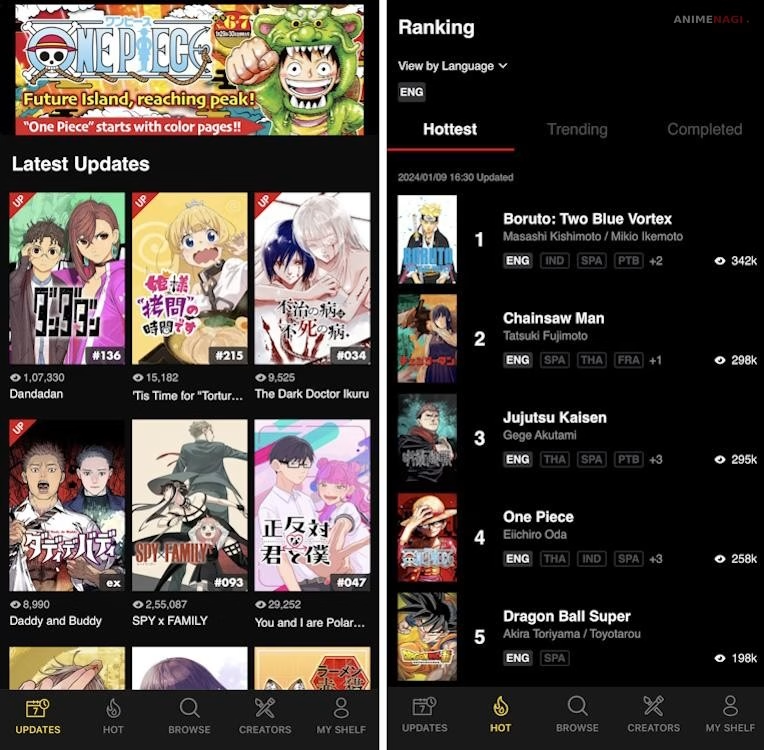
After publication in Japan, official English translations are usually released digitally on the same day. Platforms like Viz Media Shonen Jump and MANGA Plus provide legal access to the latest chapters worldwide. This simultaneous release system has significantly reduced waiting times for international fans compared to earlier years.

The Standard One Piece Release Pattern Explained
The most common One Piece release pattern today follows a “three chapters, one break” structure. In simple terms, fans usually receive three consecutive weekly chapters before Eiichiro Oda takes a scheduled break week. This pattern has become increasingly common in recent years. However, the schedule is not completely fixed.
Sometimes Oda releases four chapters before a break, while other periods may involve more frequent pauses depending on his workload or health. Magazine holidays can also interrupt the normal rhythm, creating situations where fans wait two weeks between chapters.
This flexible structure exists partly because of the demanding nature of weekly manga production. Drawing, scripting, storyboarding, editing, and supervising an internationally successful manga every week places enormous pressure on creators. Oda’s schedule therefore includes regular breaks to help maintain both quality and health. As a result, fans generally receive around 40 to 48 chapters per year rather than a full 52-week release cycle.
Why Eiichiro Oda Takes Regular Breaks
Eiichiro Oda’s break schedule has become more frequent compared to the early years of One Piece. This is largely due to the physical demands of producing one of the world’s biggest manga series continuously for nearly three decades. Weekly manga creation is an extremely exhausting process.
Mangaka often work long hours with minimal sleep while handling writing, artwork, revisions, and coordination with assistants. Oda himself has discussed intense work habits in past interviews, and concerns about creator health have become more common throughout the manga industry.
Regular breaks now help Oda manage workload and maintain the manga’s quality during its final saga. The current arcs involve increasingly complex storytelling, large-scale battles, and important lore reveals, all of which require careful planning.
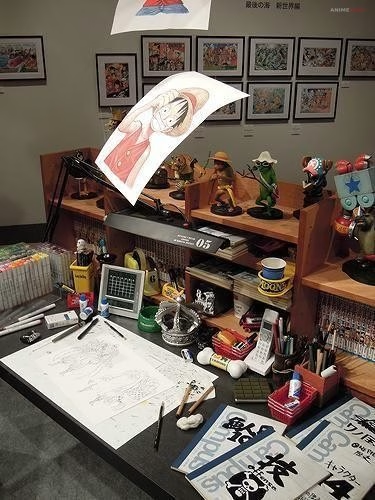
Fans sometimes become frustrated during break weeks, especially after cliffhangers. However, most readers also recognize that scheduled rest is important for the long-term health of both Oda and the series itself. Without these breaks, maintaining consistent quality over such a long serialization would be extremely difficult.
Difference Between Oda Breaks and Weekly Shonen Jump Breaks
One of the most common sources of confusion involves the difference between “Oda breaks” and “magazine breaks.” Although both delay new chapters, they happen for completely different reasons.
An Oda break happens when Eiichiro Oda personally pauses the manga for rest, production scheduling, or health-related reasons. During these weeks, Weekly Shonen Jump still releases normally with chapters from other manga series included. A magazine break, meanwhile, affects the entire publication.
During major Japanese holidays like Golden Week, Obon, or New Year celebrations, Weekly Shonen Jump itself temporarily pauses publication. This means no manga chapters from the magazine release that week, including One Piece. These situations can occasionally overlap.
If an Oda break occurs immediately before or after a magazine holiday, fans may experience a two-week gap between chapters. This often creates confusion among readers unfamiliar with the schedule structure. Understanding this distinction makes tracking release dates much easier.
How Official Chapter Release Dates Work
Official One Piece chapter releases now happen globally at nearly the same time. In Japan, chapters first appear in the newest issue of Weekly Shonen Jump. Shortly afterward, official digital translations release internationally through platforms like Viz Media and MANGA Plus.
For most international readers, new chapters usually become available on Sundays. The exact release time depends on regional time zones, but simultaneous global publishing has become standard for major manga titles. This system helps reduce piracy while allowing worldwide audiences to experience new chapters together.
Before official releases, however, leaks and spoilers often appear online several days early. These spoilers typically spread through social media, forums, and fan communities by Wednesday or Thursday each week. Although many fans follow leaks closely, others prefer waiting for official translations to experience the chapter properly. The official release remains the most accurate version because fan translations can sometimes misinterpret dialogue or context.
Why One Piece Chapter Schedules Sometimes Change
Although the general release pattern is predictable, unexpected delays still happen occasionally. These changes can occur for several reasons, including health concerns, production complications, or special magazine scheduling adjustments.
Oda’s health has occasionally caused sudden chapter delays in recent years. Because One Piece is approaching its final saga, maintaining the creator’s health has become an especially important concern for both fans and publishers. Special projects can also affect scheduling.
Oda has sometimes balanced manga production alongside involvement with anime films, live-action adaptations, and anniversary events. Large promotional campaigns or industry events occasionally influence the publication calendar as well. Magazine scheduling itself can create irregular patterns too.
Certain holiday periods consistently disrupt normal weekly publication every year. Fans familiar with the annual calendar usually expect slower release periods around New Year and Golden Week. Despite occasional delays, One Piece still maintains one of the most consistent long-running publication records in manga history.
How Tankōbon Volumes Are Released
After individual chapters are serialized in Weekly Shonen Jump, they are later collected into physical manga volumes called tankōbon. Each volume usually contains around 10 to 12 chapters along with extra SBS content, author notes, and bonus material.
These volume releases follow a different schedule from weekly chapters. New volumes typically release every few months rather than weekly. Because the manga has been serialized since 1997, the series has now surpassed 100 collected volumes, making it one of the longest-running manga franchises ever published.
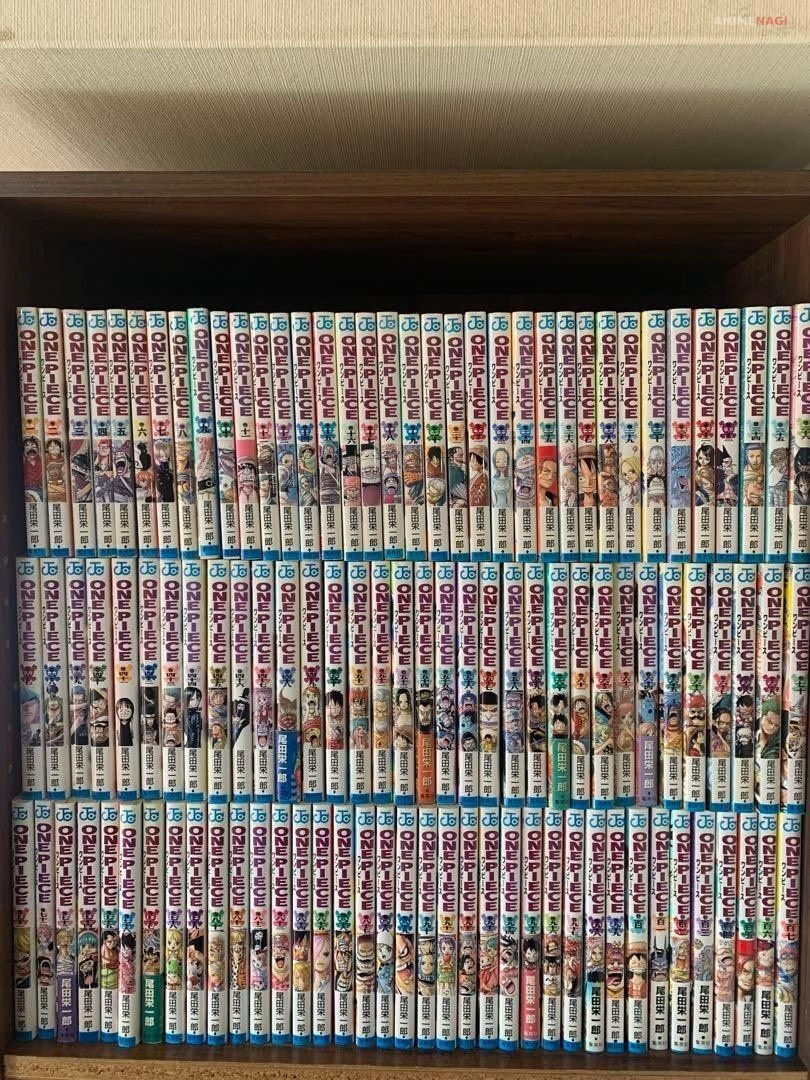
Many fans prefer reading volumes instead of weekly chapters. Volumes provide smoother pacing for large story arcs and include finalized artwork adjustments Oda sometimes makes after initial serialization. However, weekly readers enjoy participating in chapter discussions, theories, and community reactions immediately after release. Both formats remain extremely popular worldwide.
How Fans Track the One Piece Release Schedule
Because the schedule changes frequently, many fans rely on dedicated tracking websites and manga communities to follow upcoming release dates. Sites like ClayStage regularly estimate future chapter schedules based on historical release patterns and confirmed break announcements. Social media communities also play a major role.
Fans often share magazine previews, break confirmations, and official announcements from Shueisha or MANGA Plus. Reddit communities and anime news outlets regularly update readers whenever release schedules change unexpectedly. At the same time, unofficial leaks can sometimes create confusion.
False release rumors occasionally spread online before official confirmation appears. This is why many fans prefer checking official sources directly rather than relying entirely on social media speculation.
Reliable schedule tracking has become increasingly important during the Final Saga because every chapter now carries major story significance.
Why the Current Schedule Matters More Than Ever
The One Piece manga is currently in its Final Saga, meaning every chapter potentially contains major lore reveals, character returns, or world-changing events. Because of this, fans pay closer attention to the release schedule now than ever before.
Recent chapters have focused heavily on mysteries surrounding the Void Century, Joy Boy, Imu, and the One Piece treasure itself. These revelations generate enormous discussion online immediately after release, making each break week feel even longer for readers.
At the same time, Oda appears committed to maintaining high storytelling quality despite the pressure of concluding such a massive series. The structured break schedule likely helps ensure the manga’s ending receives proper planning and execution. Most fans ultimately prefer occasional breaks over rushed storytelling. That patience may become especially important as One Piece approaches its final major mysteries and climactic battles.