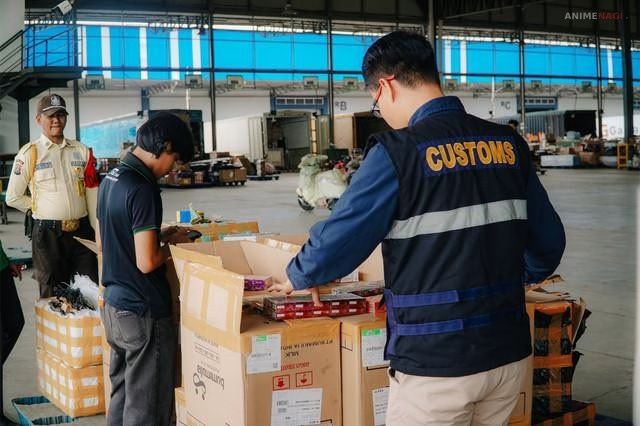
Anime figure collecting has grown into a massive global hobby over the last decade. From detailed scale figures to expensive resin statues, collectors regularly import products from Japan, China, and other international markets. However, many collectors have recently reported their anime figures being delayed, confiscated, or even destroyed by customs authorities due to “obscenity” concerns. This has sparked major debate within anime communities about censorship, import laws, and how governments classify adult-themed collectibles.
The controversy largely affects figures with revealing outfits, nudity, explicit poses, or characters that authorities interpret as problematic under local obscenity laws. In some countries, customs officials consider certain anime figures inappropriate for importation, especially if they are classified as sexually explicit or potentially connected to restricted fictional depictions. The problem becomes even more complicated because laws vary heavily between countries.
For collectors, the issue is frustrating because many of these figures are legally sold in Japan and displayed openly at conventions and stores. However, once those products cross international borders, they become subject to entirely different legal standards. Understanding why anime figures get seized requires looking at obscenity laws, customs regulations, classification systems, and the growing global debate around anime merchandise.
Why Customs Authorities Seize Anime Figures
The biggest reason anime figures get seized is because customs agencies believe the products violate obscenity or morality laws. Many countries have regulations allowing authorities to stop imports considered sexually explicit, indecent, or harmful to public morality. These rules are often broad, giving customs officials significant discretion in deciding what qualifies as “obscene.”
In countries like India, customs authorities can seize products deemed obscene under laws connected to public morality and indecency. Reddit discussions from Indian collectors describe packages being confiscated after inspections revealed explicit or highly sexualized anime figures inside. Some users reported receiving notices referencing obscenity-related import restrictions.
The United States also has obscenity-related import regulations that can affect anime merchandise. Reports about large seizures of anime figures by U.S. Customs and Border Protection sparked major controversy among collectors, especially regarding how officials define “obscene” content. Some collectors argued the items were legal adult collectibles rather than illegal material.
One major issue is inconsistency. Two similar figures may receive completely different treatment depending on the customs officer, shipping declaration, or local interpretation of the law. This uncertainty is one reason collectors often worry about importing expensive anime statues internationally.
What Types of Anime Figures Usually Get Flagged?
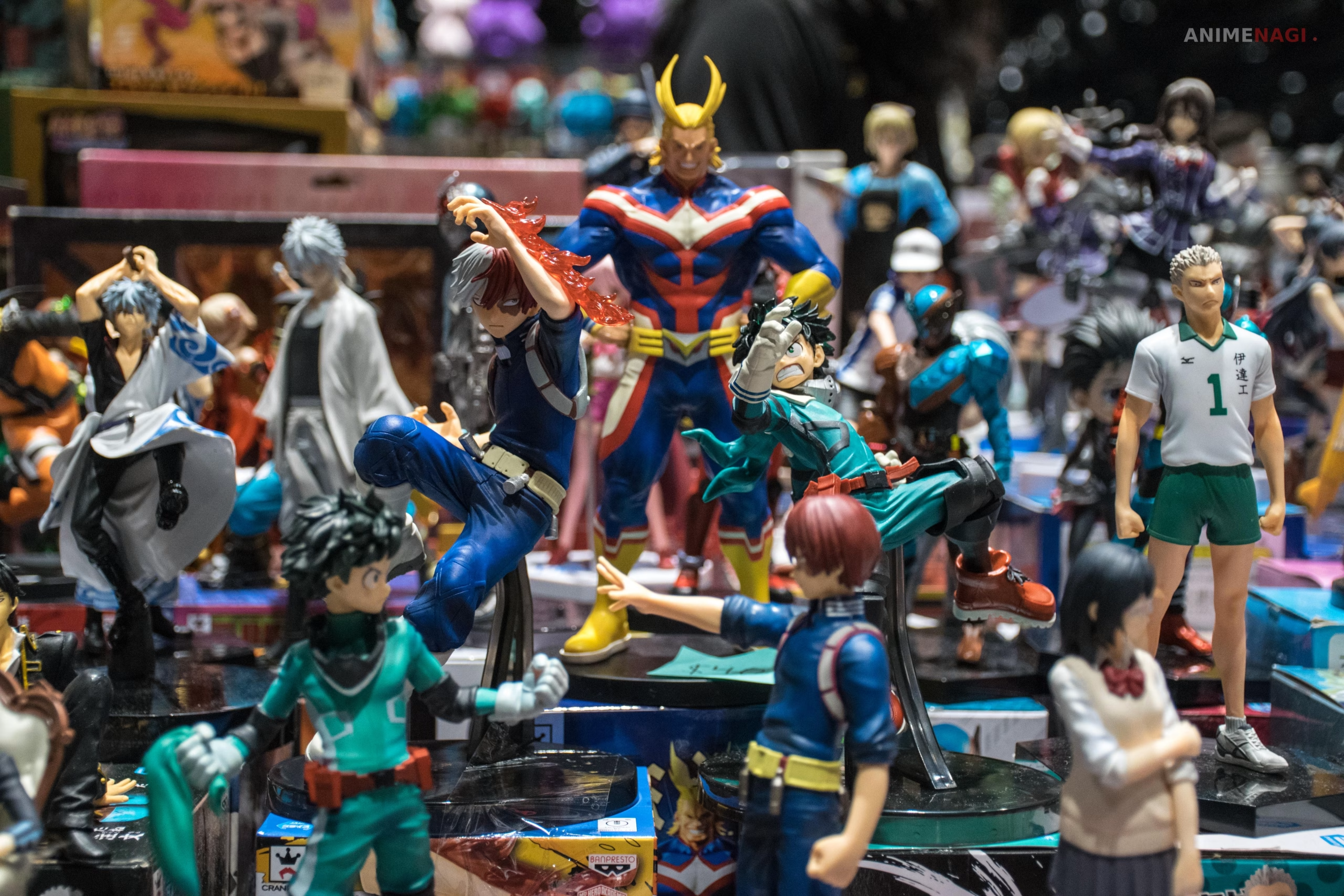
Not every anime figure faces customs problems. In most cases, authorities focus on figures with explicit sexual elements or designs considered overly provocative. This often includes cast-off figures, nude statues, lingerie-themed designs, and highly suggestive poses. Products marketed as “18+” collectibles are especially likely to receive additional scrutiny.
Figures involving controversial fictional depictions can face even greater risk. Some countries have stricter laws involving fictional portrayals that authorities interpret as resembling minors in explicit contexts. Legal discussions around fictional pornography and drawn content vary significantly across jurisdictions, which creates confusion for collectors importing anime merchandise internationally.
Packaging can also become a problem. Some collectors report that even if the figure itself is relatively tame, the product box may contain explicit promotional images that attract customs attention. Reddit discussions from collectors mention customs officers opening packages and judging products based on both the figure and the packaging artwork.
Another issue involves classification during shipping. Some discussions suggest that improperly labeled shipments can increase seizure risk. For example, if adult collectibles are classified as children’s toys instead of adult hobby products, authorities may interpret the items differently during inspection.
Why Japanese Anime Figures Cause Legal Confusion Internationally
One major reason for the controversy is that Japanese media standards differ significantly from those of many Western and Asian countries. Japan has its own censorship laws under Article 175 of the Criminal Code, but anime, manga, and figure culture developed within a different cultural framework than many international legal systems.
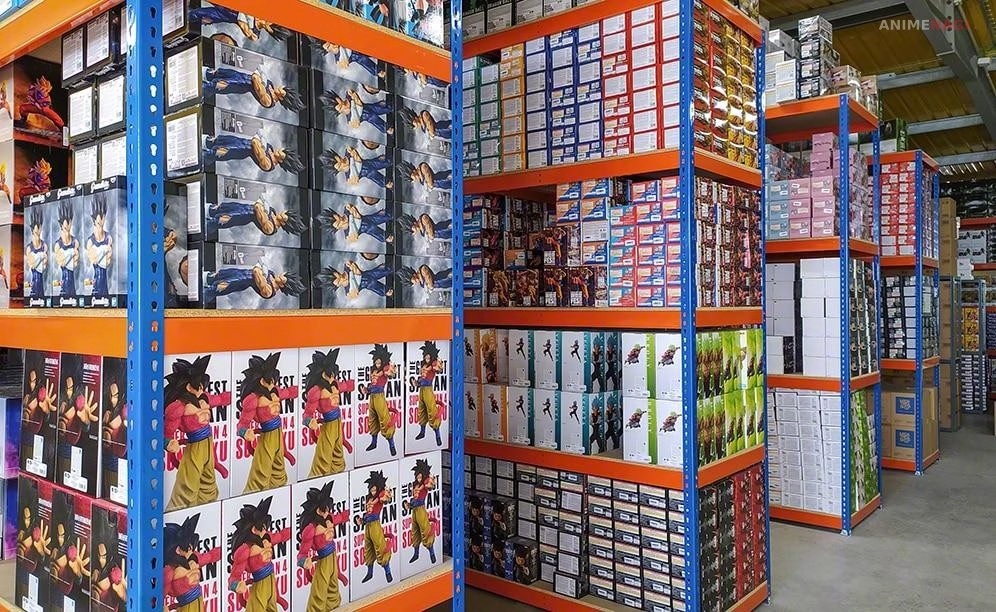
In Japan, adult-oriented anime merchandise exists openly within hobby culture, and many figures are sold legally in mainstream collector stores. However, legal acceptance in Japan does not automatically mean the products are legal elsewhere. Once exported internationally, figures become subject to local customs regulations and obscenity laws instead.
This creates a major disconnect for collectors. A figure legally manufactured, advertised, and sold in Japan may suddenly become restricted once it reaches another country’s customs office. That inconsistency is why many collectors feel confused about what is actually allowed.
There is also an ongoing debate about artistic expression versus obscenity. Some courts and legal experts argue that fictional artwork should not automatically be treated the same as illegal explicit material. Others believe certain fictional depictions still cross legal or ethical boundaries. This debate has become increasingly important as anime merchandise becomes more mainstream globally.
The Role of “Obscenity” Laws in Figure Seizures
The term “obscenity” is at the center of most anime figure seizure controversies. The problem is that obscenity laws are often vague and interpreted differently depending on the country or even individual officials. Many laws were originally written long before anime figures became globally popular collectibles.
In India, customs authorities have previously cited laws connected to public morality and indecent representation when restricting imported products considered obscene. Similar morality-based import restrictions exist in several countries across Asia and elsewhere.
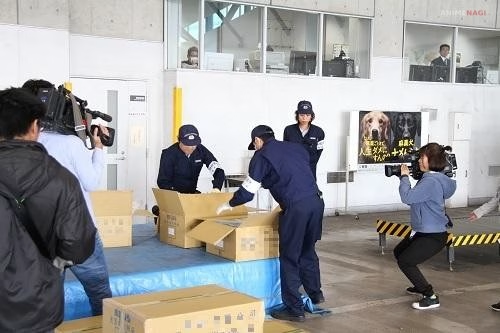
In the United States, obscenity standards can also become complicated because interpretation sometimes depends on community standards and legal classifications. Reports surrounding seized anime figures created debate about whether the products were genuinely obscene or simply adult-oriented collectibles.
Another controversial area involves fictional depictions resembling minors. Some countries distinguish between fictional artwork and real exploitation, while others apply broader restrictions that include drawings, sculptures, or animated material. Legal documents and policy discussions show that fictional content can still fall under obscenity-related scrutiny in certain jurisdictions.
Because these laws are complex and inconsistently enforced, collectors often struggle to predict what will pass customs inspection safely.
Why Collectors Are Angry About Figure Seizures
Many collectors argue that customs agencies are overreaching by treating anime figures like illegal contraband instead of adult hobby products. Fans often point out that these items are intended for collectors, not children, and are usually sold through specialized hobby retailers.
The destruction of expensive figures has especially angered collectors because many statues cost hundreds or even thousands of dollars. Some reports involving large-scale seizures described collectors losing entire shipments without compensation.
Collectors also criticize the inconsistency of enforcement. Some people import similar figures successfully for years, while others have packages confiscated unexpectedly. Reddit discussions frequently mention collectors feeling confused because there appears to be no universally clear standard for what is allowed.
Another frustration involves cultural misunderstanding. Many anime fans argue that authorities unfamiliar with anime culture may interpret stylized fictional art differently from collectors who view the figures as artistic merchandise rather than explicit material. This cultural gap has become a major part of the controversy surrounding anime imports.
How Collectors Try to Avoid Customs Problems
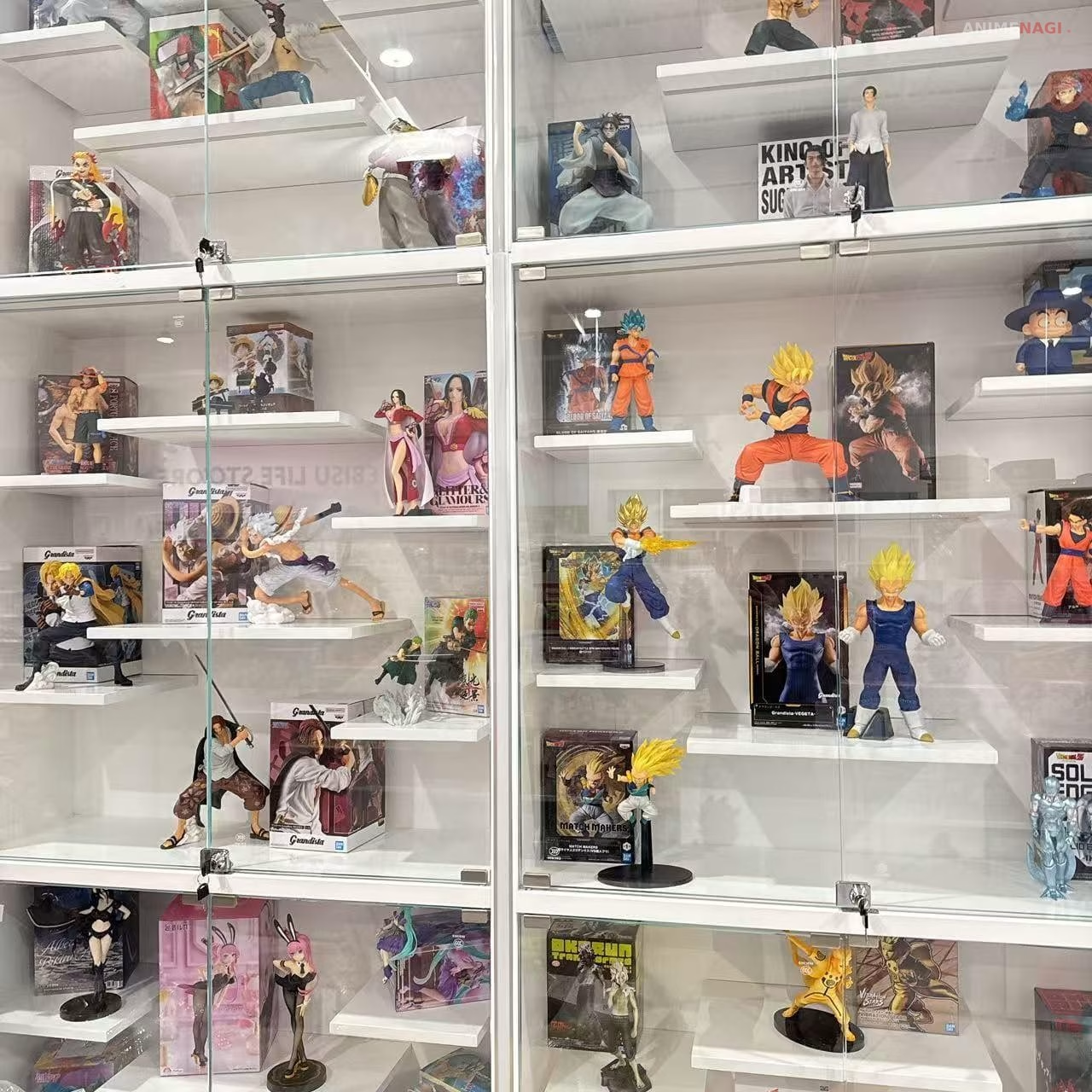
Collectors often take precautions to reduce the risk of seizures when importing anime figures. One common strategy is researching local import laws before ordering products internationally. Because regulations vary significantly, understanding local restrictions can help avoid unexpected customs issues.
Many collectors also avoid importing figures with highly explicit packaging or extreme designs. Some hobbyists prefer purchasing through domestic retailers that have already cleared customs rather than importing themselves directly. This reduces risk but often increases prices.
Shipping method can matter as well. Reddit discussions suggest some couriers and shipping services receive stricter inspections than others, depending on the country. However, there is no guaranteed “safe” method because customs authorities can inspect almost any package.
Some collectors also request discreet packaging from sellers to reduce attention during inspections. While this may help occasionally, it does not override customs laws. If authorities decide a product violates import restrictions, the package can still be confiscated regardless of packaging style.
Why the Anime Figure Controversy Is Growing
The controversy surrounding anime figure seizures is growing because anime itself has become far more mainstream internationally. As anime fandom expands, more collectors are importing premium figures and adult-oriented merchandise from overseas. This increase in imports naturally creates more interactions with customs authorities.
At the same time, governments worldwide are paying greater attention to digital and fictional explicit content. Legal discussions involving fictional depictions, animated media, and imported collectibles have become more common in recent years.
This issue is unlikely to disappear soon because it sits at the intersection of art, censorship, morality, and international trade law. Anime collectors see many figures as harmless fictional merchandise, while some governments and customs agencies interpret certain products very differently.
Ultimately, the controversy around “obscene” anime figure imports reflects a much larger debate about how fictional media should be regulated across different cultures and legal systems. As anime collecting continues growing globally, these conflicts between fandom culture and customs enforcement will likely become even more visible in the future.
Another important factor driving this issue is the lack of clear communication between customs authorities and collectors. In many cases, seized shipments come with vague explanations that do not clearly specify which law was violated or what aspect of the product was considered obscene.
This lack of transparency makes it difficult for collectors to learn from past incidents or adjust their buying decisions. As a result, the same confusion keeps repeating across the community. Until governments provide clearer guidelines or standardized classifications for adult collectibles, anime figure seizures will remain unpredictable and frustrating for global collectors.