Boruto Uzumaki’s decision to protect Kawaki is one of the most emotionally layered and misunderstood aspects of the Boruto storyline. At first glance, it may seem like a simple act of friendship or loyalty, but the reality runs much deeper. His actions are shaped by shared trauma, the burden of Karma, and a growing awareness of the danger both of them pose to the world.
The bond between Boruto and Kawaki evolves rapidly after Kawaki is brought into Konoha. Despite starting as uneasy allies, the two develop a brother-like connection rooted in their similar struggles. Both are vessels for Ōtsutsuki power, both fear losing control, and both understand what it means to be treated as tools rather than people. This shared experience becomes the foundation of Boruto’s willingness to risk everything for Kawaki.
At the same time, Boruto’s internal conflict intensifies due to Momoshiki’s presence within him. As the threat of possession grows, Boruto begins to see himself as a potential danger rather than a hero. This perspective plays a crucial role in why he protects Kawaki, even when Kawaki’s actions become extreme. Understanding this decision requires examining their bond, the Karma connection, and the looming threat that ties their fates together.
The Brotherly Bond Between Boruto and Kawaki
Boruto’s decision to protect Kawaki begins with their evolving relationship. When Kawaki first arrives in Konoha, he is hostile, defensive, and emotionally guarded due to years of abuse under Kara. Boruto initially clashes with him, viewing him as a threat to his home and family. However, their dynamic changes as they begin to understand each other’s pain.
Both characters share a unique burden that no one else fully understands. They are vessels for powerful Ōtsutsuki beings, which means their bodies are not entirely their own. This creates an immediate connection between them, as they realize they are facing the same fate. Over time, this shared struggle transforms their rivalry into mutual respect.
Their relationship deepens into something closer to brotherhood. Boruto sees Kawaki as part of his family, especially after Naruto accepts Kawaki into the Uzumaki household. This emotional bond becomes a major reason why Boruto refuses to abandon him, even when Kawaki makes questionable decisions. Protecting Kawaki is no longer just about doing the right thing, but about protecting someone he considers his brother.

Shared Trauma and the Karma Connection
The Karma seal is one of the most significant factors influencing Boruto’s actions. Both Boruto and Kawaki are marked by it, making them targets for enemies and vessels for Ōtsutsuki resurrection. This shared condition isolates them from others, creating a sense of understanding that no one else can fully provide.
For Kawaki, Karma represents a painful past filled with experimentation and control under Isshiki. For Boruto, it becomes a growing threat as Momoshiki’s influence increases over time. Despite their different experiences, the result is the same: both fear losing themselves.
This fear strengthens their connection and motivates Boruto to protect Kawaki. He knows firsthand what it feels like to be controlled by an external force. Instead of seeing Kawaki as dangerous, Boruto sees him as someone who needs support. This perspective prevents him from turning against Kawaki, even when others begin to question Kawaki’s intentions.
The Karma link also creates a sense of shared destiny. Boruto understands that their fates are intertwined, which makes protecting Kawaki feel like protecting a part of himself. This idea becomes increasingly important as the story progresses and their powers continue to evolve.
Boruto’s Guilt and Responsibility
Another key reason Boruto protects Kawaki is his sense of responsibility. As the story progresses, Boruto becomes more aware of the danger posed by Momoshiki. He realizes that if he loses control, he could harm the people he cares about, including Kawaki.
This awareness creates a deep sense of guilt. Boruto begins to view himself as a potential threat, which shifts his perspective on conflict. Instead of focusing solely on defeating enemies, he starts thinking about how to prevent harm, even if it means putting himself at risk.
In this context, protecting Kawaki becomes part of Boruto’s attempt to maintain balance. He understands that Kawaki is also struggling with fear and pressure, especially as threats like Code continue to target him. By standing beside Kawaki, Boruto tries to ensure that neither of them loses control.
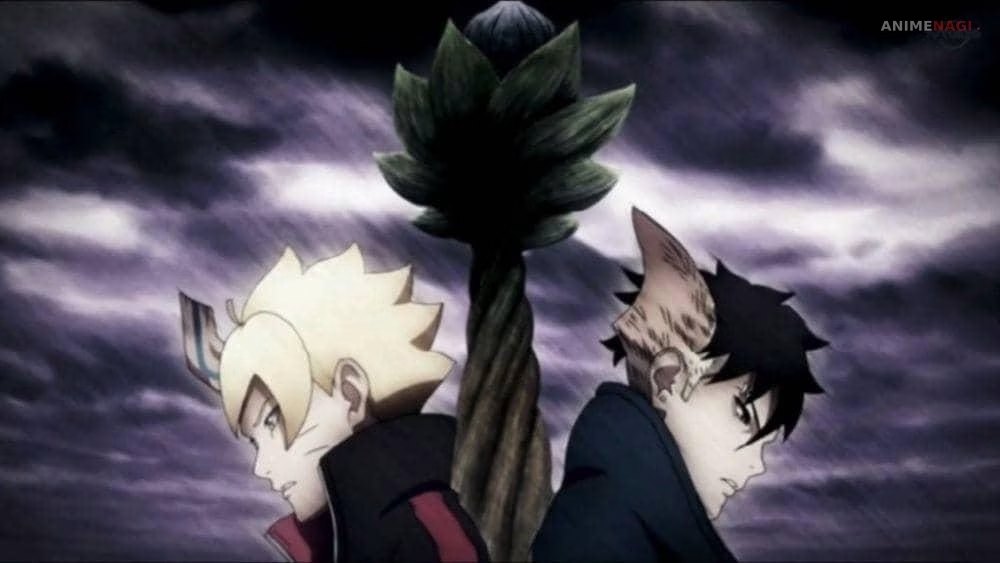
This sense of responsibility also explains why Boruto often takes risks that others would avoid. He is willing to put himself in danger because he believes it is necessary to protect those around him. Kawaki, as someone who shares his burden, becomes a central figure in this mindset.
The Threat of Momoshiki and Self-Sacrifice
Momoshiki Ōtsutsuki’s presence inside Boruto adds another layer to his decision-making. As Momoshiki gradually gains influence, Boruto becomes increasingly aware that he may not always be in control of his own actions. This realization forces him to confront a difficult truth.
Boruto understands that he could become the very threat he is trying to stop. This fear leads him to adopt a more self-sacrificial mindset. He becomes willing to do whatever it takes to prevent Momoshiki from harming others, even if it means sacrificing himself.
This mindset directly influences his relationship with Kawaki. Boruto knows that Kawaki is one of the few people capable of stopping him if things go wrong. Rather than fearing Kawaki, he trusts him. This trust is a major reason why Boruto continues to protect Kawaki, even when Kawaki’s methods become extreme.
Their relationship becomes a balance of mutual understanding. Kawaki is willing to eliminate threats at any cost, while Boruto tries to hold onto his humanity. By protecting Kawaki, Boruto is also trying to preserve that balance and prevent both of them from falling into darkness.
Kawaki’s Obsession and Boruto’s Counterbalance
As the story progresses, Kawaki’s desire to protect Naruto becomes increasingly extreme. He begins to believe that the only way to ensure Naruto’s safety is to eliminate all Ōtsutsuki threats, including Boruto himself. This creates a dangerous shift in their relationship.
Despite this, Boruto continues to protect Kawaki. This decision might seem contradictory, but it reflects Boruto’s understanding of Kawaki’s mindset. He knows that Kawaki’s actions are driven by fear and trauma rather than malice.
Boruto acts as a counterbalance to Kawaki’s extremism. While Kawaki is willing to take drastic measures, Boruto tries to find a way to protect everyone without sacrificing his values. This dynamic is central to their relationship and highlights the difference in their approaches.

Protecting Kawaki is also Boruto’s way of preventing him from going too far. By staying close, Boruto hopes to influence Kawaki’s decisions and remind him of the bonds they share. This role becomes increasingly important as the stakes continue to rise.
External Threats That Force Boruto’s Involvement
The presence of external enemies plays a significant role in Boruto’s decision to protect Kawaki. Characters like Code view Kawaki as a key target due to his connection to Isshiki. This constant danger forces Boruto to stay involved in protecting him.
Boruto understands that Kawaki cannot face these threats alone. Despite Kawaki’s strength, enemies like Code possess abilities that make them extremely dangerous. By standing alongside Kawaki, Boruto increases their chances of survival.
These external threats also reinforce the idea that their fates are linked. Enemies targeting Kawaki often target Boruto as well, due to their shared connection to the Ōtsutsuki. This creates situations where protecting Kawaki is also a way of protecting himself and others.
As these conflicts escalate, Boruto’s role becomes more active. He is no longer just reacting to events but actively choosing to stand between Kawaki and danger. This shift marks a significant step in his character development.
How This Decision Shapes Boruto’s Future
Boruto’s choice to protect Kawaki has far-reaching consequences for the story. It influences his relationships, his growth as a character, and the direction of the narrative. By prioritizing Kawaki’s safety, Boruto places himself in increasingly dangerous situations.
This decision also highlights one of the core themes of the series: the importance of bonds. Boruto’s actions are driven by his connection to Kawaki, showing how relationships can shape a person’s choices. At the same time, it raises questions about the limits of loyalty.
As the story moves forward, this dynamic becomes even more complex. Kawaki’s actions continue to push boundaries, while Boruto struggles to maintain his ideals. Their relationship evolves into one of the most important elements of the series.
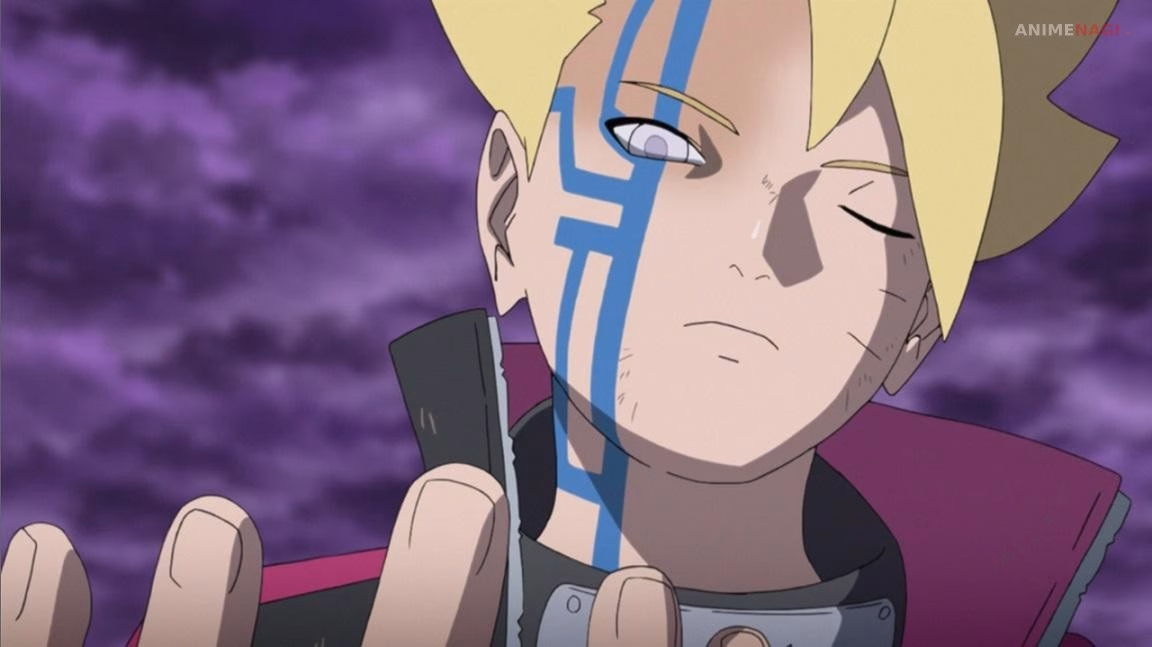
The impact of Boruto’s decision is especially evident in later developments, where the consequences of their choices reshape the entire ninja world. Protecting Kawaki is not just a momentary decision but a defining aspect of Boruto’s journey.
Boruto’s decision to protect Kawaki is rooted in a combination of emotional bonds, shared trauma, and a deep sense of responsibility. What begins as a reluctant partnership evolves into a brotherhood built on mutual understanding and trust. This connection drives Boruto to stand by Kawaki, even in the face of overwhelming danger.
At the same time, the influence of Karma and the threat of Momoshiki add complexity to his actions. Boruto is not just protecting Kawaki, but also trying to prevent a future where either of them loses control. This dual purpose makes his decisions both noble and risky.
Ultimately, Boruto protects Kawaki because he sees him as more than a weapon or a threat. He sees him as family. This belief shapes his actions and defines his role in the story, making their relationship one of the most compelling aspects of the Boruto series.