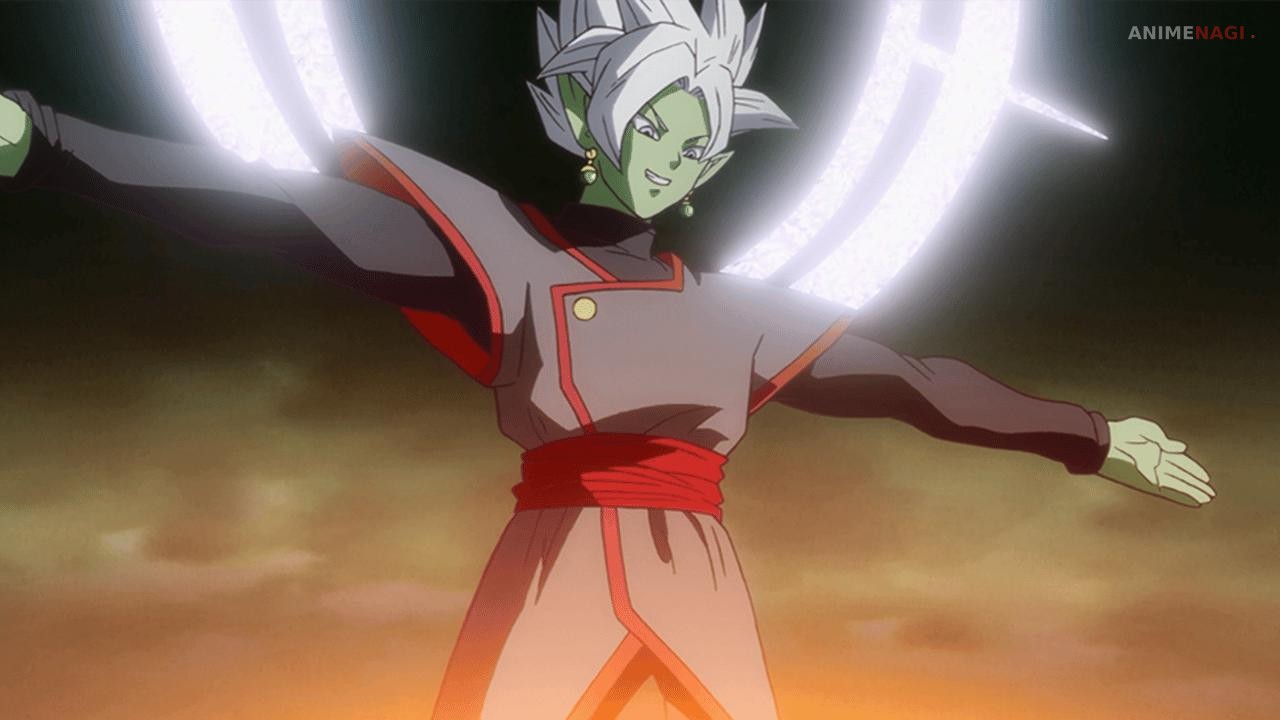
Zamasu is one of the most dangerous villains in Dragon Ball Super, not simply because of his incredible power but because he genuinely believes that destroying mortals is an act of justice. Introduced as a Supreme Kai apprentice from Universe 10, Zamasu initially appears to be a disciplined divine servant who wants to understand his responsibilities. However, his growing distrust of mortals eventually turns into an extreme ideology that challenges the very purpose of the Kais.
His hatred is rooted in what he sees as the repeated failures of mortal civilizations. Zamasu views war, violence, selfishness, and destruction as evidence that mortals are fundamentally flawed. His encounter with Goku then pushes that belief even further, convincing him that mortals have become powerful enough to threaten the natural order itself. This ultimately leads him toward the Zero Mortal Plan and his alliance with Goku Black.
How Zamasu’s Hatred of Mortals Led to the Zero Mortal Plan
Zamasu’s distrust of mortals existed before he became Goku Black. As a Kai apprentice, he questioned why Supreme Kais were expected to protect and nurture beings who repeatedly created conflict and destroyed their own civilizations. His mentor Gowasu tried to teach him that the role of a Supreme Kai was to guide creation rather than judge mortals for every mistake, but Zamasu increasingly rejected that philosophy.
His encounter with Goku became a major turning point. Zamasu was surprised that a mortal could possess such extraordinary power, especially after Goku challenged him and demonstrated Super Saiyan strength. Rather than admiring Goku’s abilities, Zamasu interpreted them as proof that mortals had crossed a dangerous boundary. In his mind, a being like Goku represented the contradiction between divine authority and mortal ambition.
Zamasu’s thinking eventually became completely radicalized. He concluded that the existence of mortals was the fundamental problem and that eliminating them would restore what he considered the universe’s natural beauty and order. This became the foundation of the Zero Mortal Plan, which sought to eradicate mortal life rather than simply reform or control it.
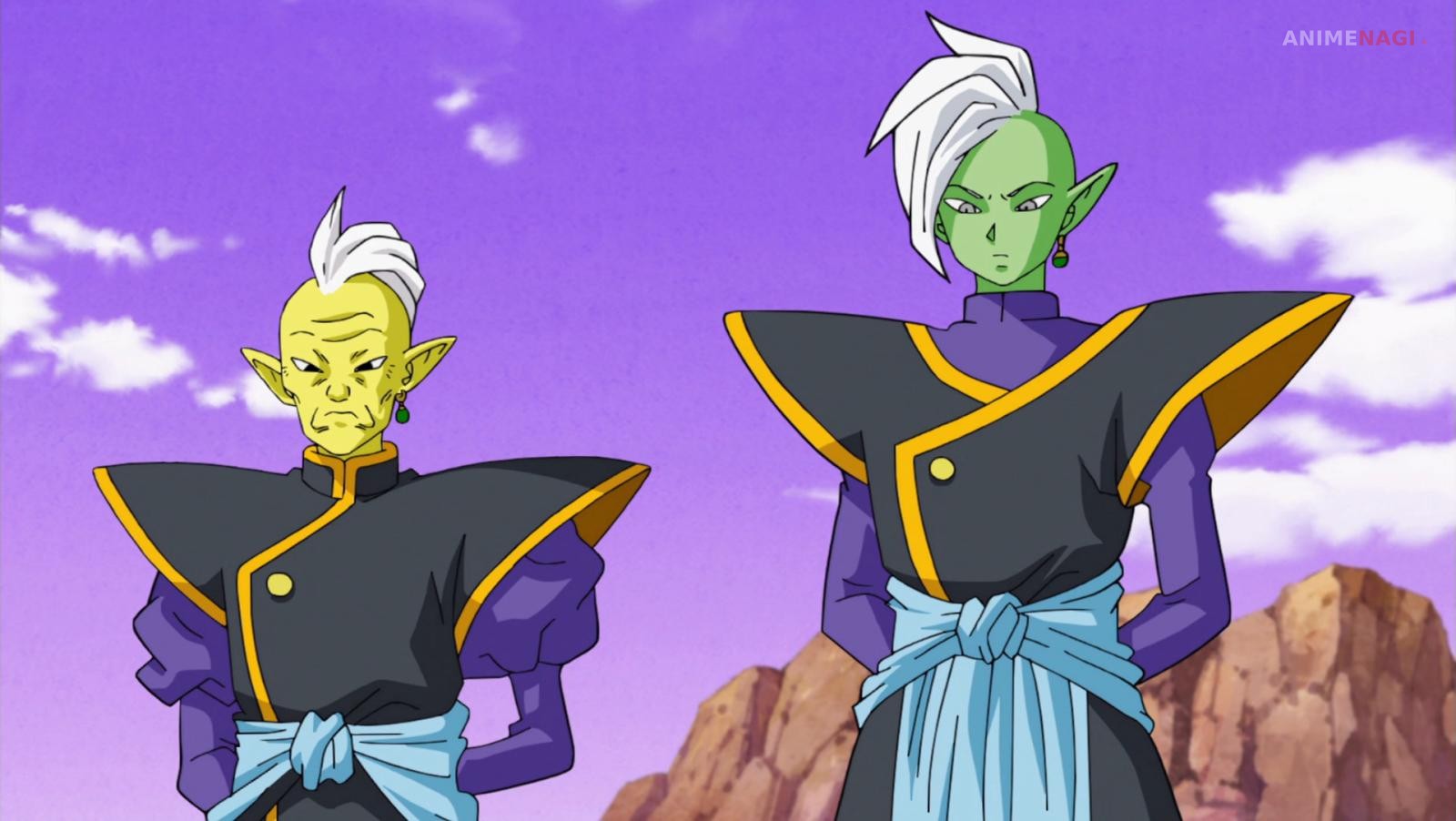
The irony is that Zamasu’s own actions directly contradicted the responsibilities he was supposed to uphold as a Supreme Kai. Instead of protecting creation, he began destroying it, while also killing other divine beings who could interfere with his plan. His definition of justice became so absolute that anyone who disagreed with him, including other gods, became part of the problem.
Goku Black gave Zamasu the opportunity to turn this ideology into reality. After stealing Goku’s body, another version of Zamasu traveled to Future Trunks’ timeline and joined his counterpart. The two then became partners in the Zero Mortal Plan, with Goku Black providing overwhelming Saiyan power and Future Zamasu using his immortality to survive attacks.
Ultimately, Zamasu’s hatred of mortals was less about individual acts of wrongdoing and more about his belief that mortals were inherently incapable of creating a peaceful universe. His tragedy is that he became exactly the kind of destructive force he claimed to despise. By trying to impose his idea of perfect justice on all existence, Zamasu abandoned the role of a creator and transformed himself into the greatest threat to the future.
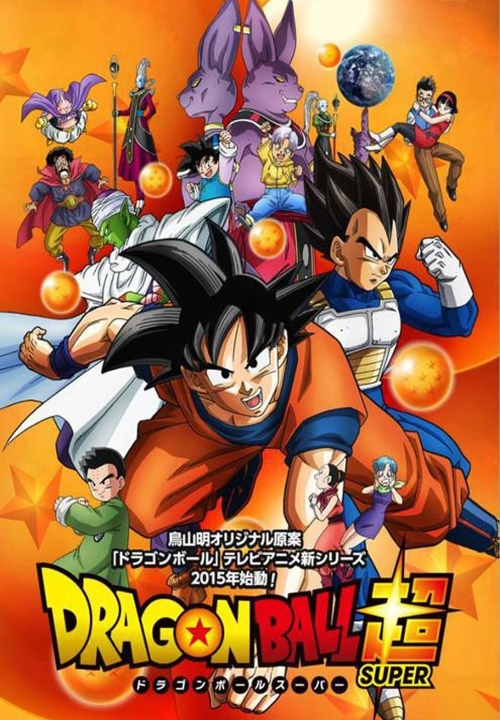
| Date Aired (Start) | July 5, 2015 |
|---|---|
| Studio | Toei Animation |
| Director | Kimitoshi Chioka |