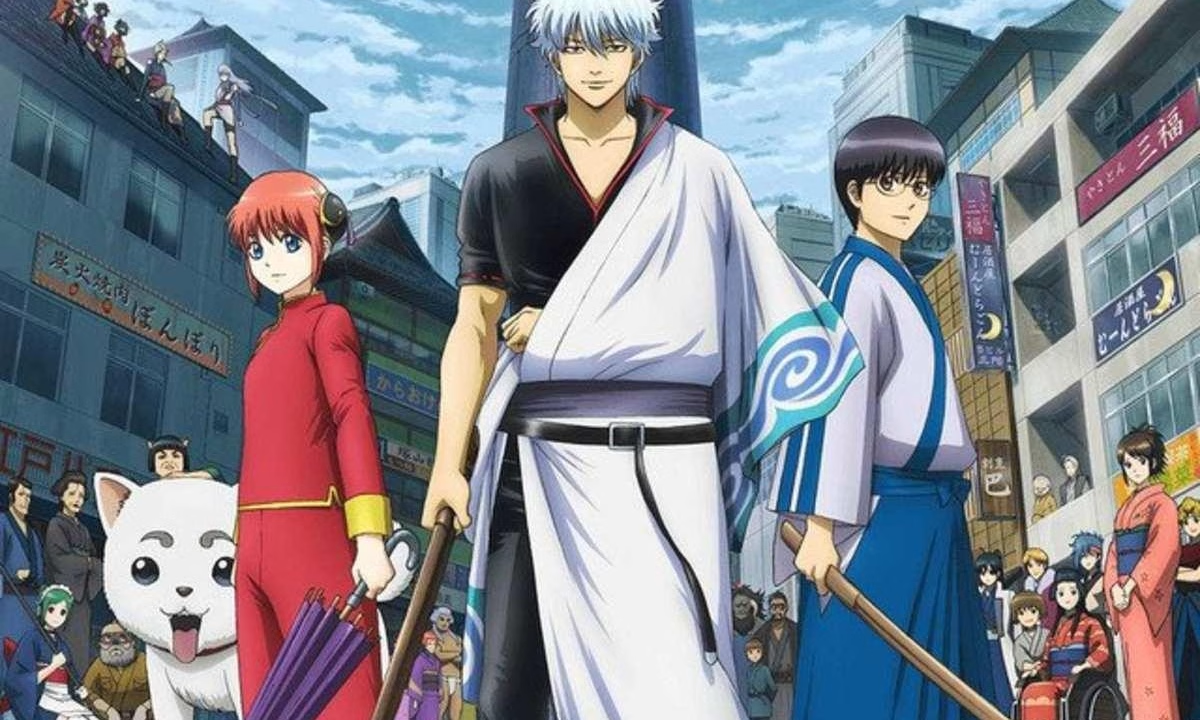
Is Gintama worth watching? For anime fans who enjoy comedy, memorable characters, and stories that gradually become more serious, Hideaki Sorachi’s series is absolutely worth the investment. Set in an alternate version of Edo-era Japan where aliens have conquered Earth, the anime follows Gintoki Sakata, a lazy samurai who runs an odd-jobs business alongside Shinpachi Shimura and Kagura. What initially appears to be an endless collection of bizarre jokes, pop culture references, and ridiculous situations eventually reveals a surprisingly emotional story about friendship, loss, loyalty, and personal sacrifice.
However, Gintama does not follow the conventional structure of a battle shonen anime. Its comedy dominates much of the early experience, while its more serious story arcs emerge gradually. That unusual balance is precisely what makes the series special, allowing its emotional moments to feel more powerful because viewers have spent so much time laughing with its characters.
Why Gintama’s Comedy Makes Its Emotional Storytelling Better
The biggest reason to watch Gintama is how naturally it moves between comedy and drama. One episode might revolve around Gintoki arguing over a ridiculous misunderstanding, while another explores the painful history of a character introduced during an earlier joke. The series builds familiarity through everyday chaos, making its characters feel like a dysfunctional family rather than a collection of anime archetypes.
Its absurd comedy also allows Gintama to parody other anime, popular movies, video games, and Japanese entertainment culture. The jokes can be deliberately stupid, self-aware, and occasionally dependent on cultural references, so some viewers may need time to adjust to its humor. However, the comedy becomes more rewarding as viewers understand the personalities, relationships, and running gags that define the series.
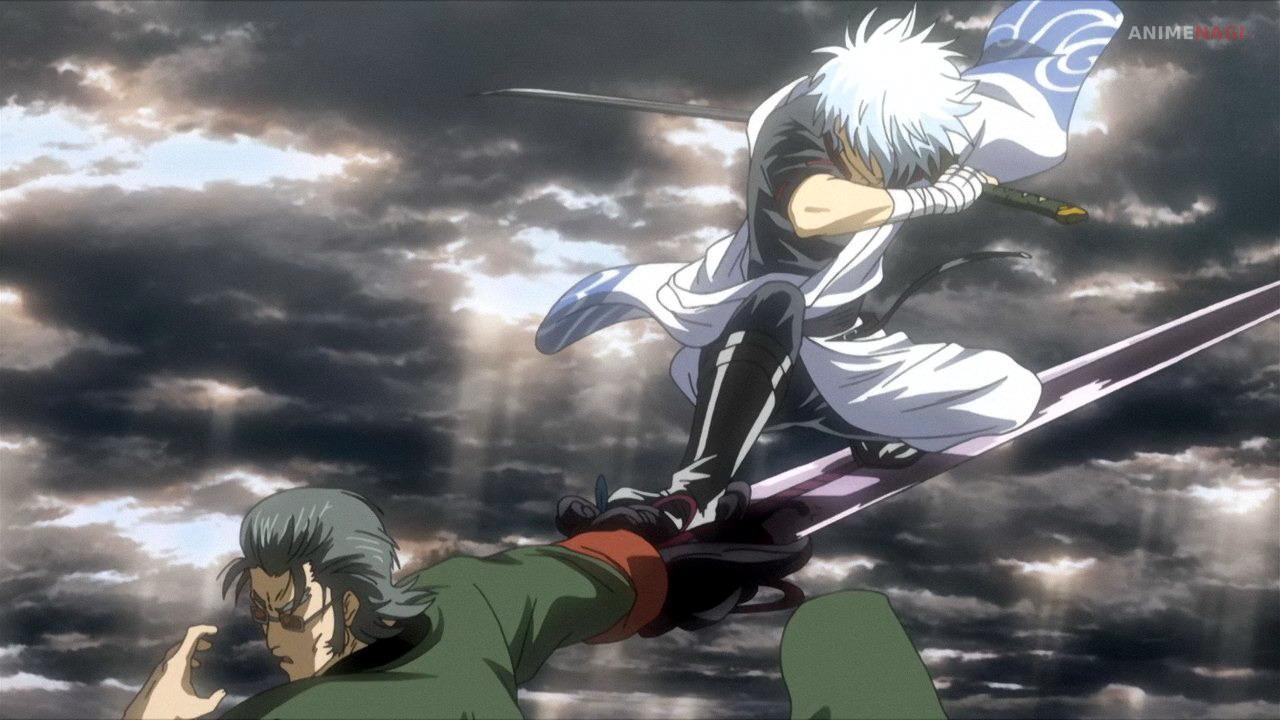
The transition into serious storytelling is where Gintama truly distinguishes itself. Arcs such as the Benizakura Arc, Shogun Assassination Arc, and Farewell, Shinsengumi Arc deliver intense sword fights, political conflicts, tragic revelations, and meaningful character development. Gintoki’s past, in particular, gradually reveals why his seemingly carefree personality hides so much pain and why he refuses to abandon the people around him.
Another reason Gintama works so well is that its comedy and drama share the same emotional foundation. The characters’ ridiculous arguments and daily adventures make their friendships believable, while their willingness to risk everything for one another gives the serious arcs genuine weight. Rather than abandoning its humor when the stakes rise, the series uses its established relationships to make its most dramatic moments resonate.
The main drawback is its length, with the original television anime spanning 367 episodes before its story continues into the concluding movie, Gintama: The Very Final. Its early episodes can also feel uneven, especially for viewers expecting immediate action or a tightly serialized plot. Still, Gintama is worth watching if you want an anime that can make you laugh uncontrollably before delivering surprisingly powerful emotional moments.